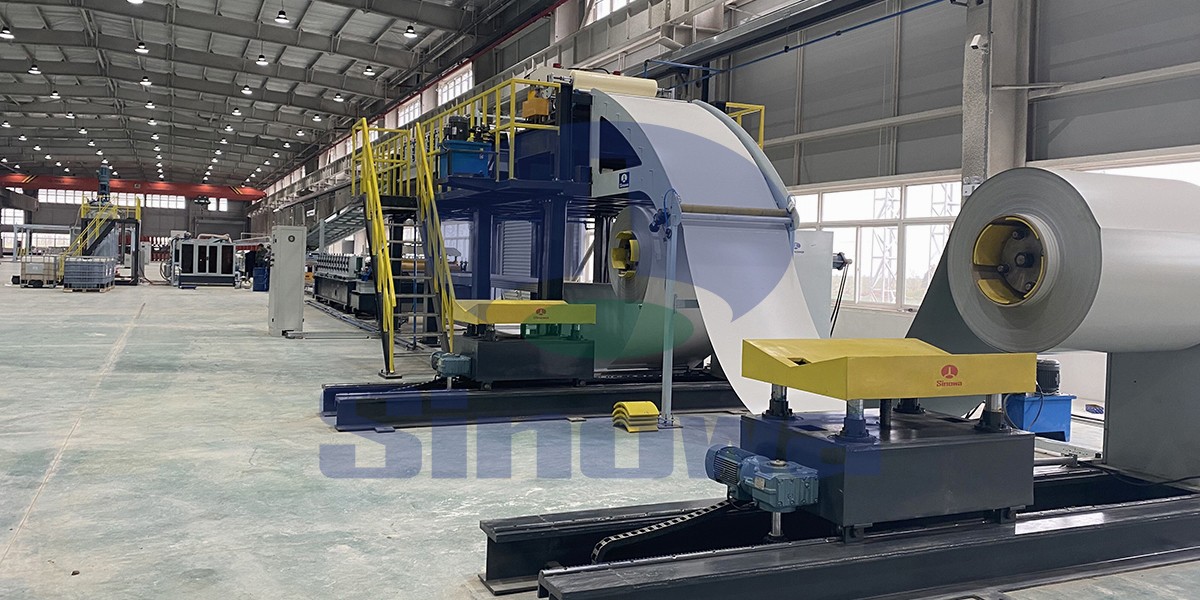
Chinese Sandwich Panel Production Line
Sinowa is sandwich panel production line supplier in china, based on the continuous technological pursuit, the sandwich panel production line developed by Sinowa provides you with high-efficiency industrial value. Based on China's cost advantage and our hard-working technology concept, our sandwich panel production line has a world-leading price-performance advantage. sandwich panel production line can meet a variety of production needs of customers.The whole sandwich panel production line design concept of modularization enables all our components to be integrated and combined at will. Our sandwich panel production line can easily automate the production of roof sandwich panel, wall sandwich panel, cold storage sandwich panel and other products by different combination and configuration selection and siple switching. The inner core layer can be polyrethane or rock wool, glass wool, an so on.
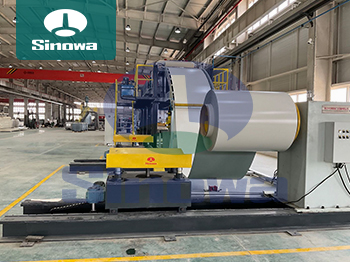
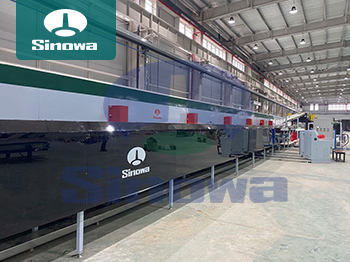
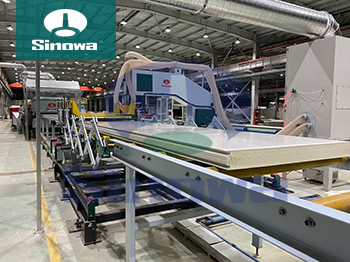
Dedicated to the research and development of high-end and high-efficiency, Sinowa is comprehensively taking the leading position in terms of efficiency, automation control level, HMI, environment protection and energy consumption, with subversive designs made in some critical technological fields to procure exceptional cost performance and customer-friendly experience for the entire sandwich panel production line. The adoption of system integration technology and bus control technology accomplishes the full automatization of integrated and coordinated control of the entire sandwich panel production line with accessible remote interactive communication. Ranking the first-class level in the world, it is currently the sandwich panel production line in the market taking a comprehensive lead in high performance.
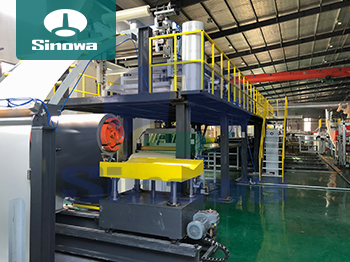


Concentrated system control is fully realized in the practice of concentrated process control so that the control system of all the movements of the parts in the sandwich panel production line is integrated in one process control console with accessible remote communication to elevate the automation and reduce the allocated number of personnel for the assembly line. The main engine with modularized design achieves the precision operation of the sandwich panel production line, stable and reliable quality, less part and maintenance loss. The whole sandwich panel production line has over 40 innovative inventions, making our products have lots of unique features and the comprehensive performance of our sandwich panel production line leading in the industry.


The sandwich panel production line has high adaptability, which may produce various sandwich panel of the PU, PIR and rock wool systems. We may design various products according to the customer’s requirements, including various configurations, so as to meet their demands with flexible price system. Highly integrated and linked control system centralizes all control points at the main central center, achieving parameter linkage, fault self-diagnosis controlled by the whole line and shipping distance control. High-level automatic control system also saves the manpower and reduces the manpower loss for customers.


The high-power low-consumption design quickens the reaction of the sandwich panel production line while energy consumption is kept low. With the brand-new, fully sealed inner insulation design, the energy consumption is controlled at the minimum level to achieve the design objective of less than an hour for the insulation system to be activated from the room temperature above 5℃ to the production process temperature. The energy consumption is only 40% that of those similar products.


The precision servo hoisting mechanism employed by the main engine without hydraulic system makes the board thickness control flexible and the customer may conveniently change or adjust the board thickness. There will be not such troubles as hydraulic system adjustment, leakage, maintenance, etc. High-level energy saving and protection design makes the whole sandwich panel production line possible to produce around the clock throughout the year and the customer will save huge budget. In addition, the isolated heat preservation room is constructed for warming the environment. The energy saving and protection design of our sandwich panel production line may guarantee that the customer’s production line may be freely heated and produce in the main time to save more costs for customers.
In the global landscape of modern building material manufacturing, sandwich panel production lines have emerged as indispensable industrial assets, blending structural efficiency, thermal performance, and versatile usability into a single composite product. Among the key players shaping this sector, Chinese-made sandwich panel production lines have evolved dramatically over recent decades, moving from basic assembly frameworks to highly integrated, automated systems that cater to diverse industrial and construction demands worldwide. This transformation reflects not only advancements in mechanical engineering and material science within China’s manufacturing sector but also a deep understanding of global market needs for reliable, scalable, and cost-effective production solutions for composite panels. Unlike fragmented, manual production setups, these fully integrated lines streamline every stage of panel manufacturing, from raw material handling to finished product packaging, creating a seamless workflow that elevates output consistency, reduces operational waste, and adapts to evolving industry standards for building insulation, structural support, and environmental sustainability.
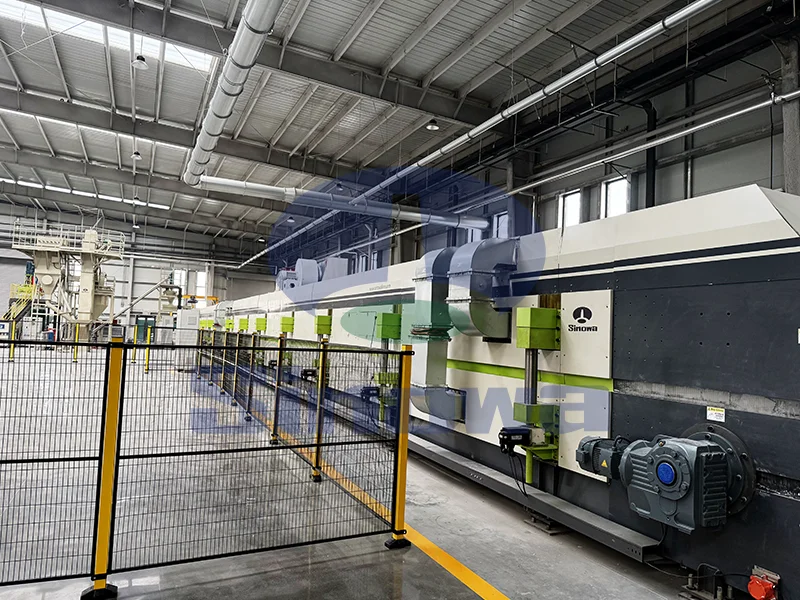
At its core, a sandwich panel is a composite construction material consisting of two rigid outer layers bonded to a lightweight, functional core material, and Chinese production lines are engineered to manufacture this complex product with precision and repeatability across large-scale runs. The design of these production lines prioritizes modularity, allowing manufacturers to customize configurations based on core material type, panel thickness, width, and intended end use, making them suitable for everything from residential and commercial building envelopes to cold storage facilities, industrial warehouses, and temporary construction structures. Common core materials processed by these lines include foam-based insulators, mineral wool, and expanded lightweight polymers, each requiring unique processing temperatures, bonding pressures, and curing cycles; Chinese production lines are built to accommodate these variations without sacrificing operational efficiency, thanks to flexible control systems and adjustable mechanical components. This adaptability has made these lines a preferred choice for manufacturers across continents, as it eliminates the need for multiple specialized machines and simplifies production line upgrades as market demands shift.
The operational workflow of a standard Chinese sandwich panel production line unfolds in a continuous, synchronized sequence, with each station designed to complement the next and minimize downtime between processes. The initial stage focuses on raw material preparation and feeding, starting with the unwinding of metal coil sheets that form the outer face layers of the sandwich panel. Heavy-duty decoiling units gently unwind coiled metal sheets, while tension control systems maintain consistent material tension throughout feeding, preventing warping, creasing, or misalignment that could compromise panel integrity. Following decoiling, the metal sheets pass through precision roll forming stations, where they are shaped into uniform profiles with tailored edge designs—these edges ensure tight interlocking between adjacent panels during installation, enhancing overall structural stability and weather resistance. Roll forming units are calibrated to handle varying sheet thicknesses, adjusting pressure and bending angles in real time to maintain dimensional accuracy across every linear meter of material, a critical detail for ensuring consistent panel fit and finish.
Once the outer layers are formed, the production line moves to core material preparation and bonding, the most technically demanding stage of sandwich panel manufacturing. For foam-based cores, automated mixing and injection systems blend raw chemical components in precise ratios, triggering a controlled foaming reaction that creates a uniform, closed-cell core structure; these systems are enclosed to prevent material waste and maintain a stable operating environment, with temperature and pressure sensors regulating the foaming process to avoid density inconsistencies. For mineral wool and other rigid core materials, automated handling systems cut, position, and align core blocks between the two outer layers, ensuring even distribution and full contact with the adhesive bonding agents. Adhesive application is carried out via precision spraying or roller coating systems, which deposit a uniform layer of bonding material across the entire surface of the outer layers, eliminating gaps that could weaken the panel’s structural bond or reduce its thermal insulation properties. This stage relies heavily on synchronized mechanical movement, as the outer layers and core material move at a constant speed through a continuous laminating system that applies consistent pressure to cure the adhesive and fuse the three layers into a single, solid panel.
The laminating and curing section represents the heart of the sandwich panel production line, where temperature, pressure, and speed are tightly regulated to achieve optimal bonding strength and material stability. Chinese-engineered laminating systems feature dual conveyor belts that maintain steady pressure on the panel as it moves through heating zones, accelerating the curing process without overheating or damaging the core or outer layer materials. Temperature zones are fully adjustable, allowing operators to match curing conditions to the specific core and adhesive materials being used, whether producing heat-sensitive foam panels or heat-resistant mineral wool panels. This controlled curing process not only speeds up production but also ensures that every panel achieves uniform density, flatness, and bonding strength, reducing the risk of delamination over the panel’s service life. Unlike manual or semi-automated curing setups, these continuous systems eliminate batch-to-batch variations, a key advantage for large-scale manufacturing where consistent product quality is non-negotiable.
After curing, the fully formed sandwich panel proceeds to precision cutting and finishing stations, where it is trimmed to exact length specifications based on customer orders or industry standards. Automated tracking cutting systems operate without halting the production line, using digital positioning technology to make clean, accurate cross-cuts at predetermined intervals; this non-stop cutting capability drastically boosts overall production efficiency, as the line maintains a continuous workflow rather than pausing for each cut. Edge trimming units remove excess material from panel sides, creating smooth, uniform edges that meet strict dimensional tolerances, while dust collection systems remove fine particles generated during cutting, maintaining a clean working environment and preventing debris from compromising panel quality. Some advanced production lines also include optional surface treatment stations, such as protective film application or surface cleaning, to preserve the outer layer finish during transportation and installation, adding an extra layer of value to the finished product without extending production time.
Automation and intelligent control systems are the defining features of modern Chinese sandwich panel production lines, setting them apart from older, less efficient manufacturing equipment. Most lines are equipped with centralized human-machine interface control consoles that consolidate all operational parameters into a single, user-friendly dashboard, allowing operators to monitor and adjust line speed, temperature, pressure, cutting length, and material feed rates in real time. These digital control systems reduce the need for extensive manual intervention, minimizing human error and lowering labor requirements; a single operator can oversee most core functions, with only a small team needed for material loading, routine inspections, and finished product handling. Beyond real-time adjustments, these control systems store preset production parameters for different panel types, enabling quick line reconfiguration when switching between product specifications—this quick-change capability is invaluable for manufacturers serving diverse markets, as it reduces downtime between production runs and maximizes overall equipment utilization.
Beyond operational efficiency, Chinese sandwich panel production lines are designed with long-term reliability and ease of maintenance in mind, addressing key pain points for industrial manufacturers. Modular mechanical construction means that individual components can be repaired or replaced without disassembling the entire production line, reducing maintenance downtime and extending the overall service life of the equipment. High-quality structural steel frameworks provide stable support for all moving parts, reducing vibration during operation and minimizing wear on gears, rollers, and conveyor belts. Additionally, energy-efficient design principles are integrated into every system, from variable-speed drive motors that reduce power consumption during low-load operation to insulated heating systems that minimize heat loss during curing. This focus on energy efficiency not only lowers ongoing operational costs for manufacturers but also aligns with global efforts to reduce the carbon footprint of industrial manufacturing processes, making these production lines a sustainable choice for eco-conscious operations.
The versatility of Chinese sandwich panel production lines extends far beyond basic panel manufacturing, as these systems can be customized to produce a wide range of panel variants tailored to specific industry applications. For cold chain and refrigeration projects, lines can be configured to produce panels with enhanced thermal insulation properties, featuring ultra-dense foam cores and airtight edge seals that prevent temperature transfer and reduce energy consumption for cooling systems. For industrial and commercial construction, lines can manufacture fire-resistant panels using mineral wool cores, which offer exceptional flame retardancy and smoke suppression properties, meeting strict building safety requirements for high-traffic and high-risk structures. For agricultural buildings, such as livestock barns and greenhouse structures, the lines produce corrosion-resistant, moisture-proof panels that withstand harsh environmental conditions and maintain structural integrity over time. This ability to adapt to diverse application needs has made these production lines a cornerstone of the global modern construction industry, supporting the growth of fast, efficient, and sustainable building practices.
In the global supply chain, Chinese sandwich panel production lines have gained widespread acceptance due to their balanced combination of performance, scalability, and practicality, without compromising on core manufacturing quality. Unlike overly specialized equipment that is limited to narrow production tasks, these lines are built to scale with a manufacturer’s growth, supporting small-batch custom orders and large-volume mass production alike. This scalability makes them suitable for both emerging manufacturing enterprises looking to enter the composite building material market and established producers seeking to expand their production capacity. Furthermore, the engineering behind these lines prioritizes compatibility with globally available raw materials, ensuring that manufacturers do not face supply chain constraints when sourcing metal coils, core materials, or adhesives locally or regionally. This compatibility reduces logistical costs and streamlines production planning, further enhancing the economic viability of integrating these lines into a manufacturing operation.
The ongoing evolution of Chinese sandwich panel production lines is driven by continuous investment in mechanical and material engineering, with ongoing refinements focused on boosting automation, improving product precision, and enhancing environmental performance. Modern advancements include the integration of remote monitoring capabilities, which allow technicians to diagnose operational issues and adjust parameters from off-site locations, reducing the need for on-site technical support and minimizing production delays. Further developments in material handling technology have expanded the range of core materials that can be processed, including recycled and eco-friendly core options, aligning with the global shift toward circular economy principles in construction. Additionally, refinements to noise reduction systems create safer, more comfortable working environments for plant operators, meeting international industrial safety standards for manufacturing equipment.
As the global demand for efficient, sustainable, and cost-effective building materials continues to rise, the role of high-quality sandwich panel production lines becomes increasingly central to construction and manufacturing sectors worldwide. Chinese-made production lines have solidified their position as reliable, forward-thinking solutions, bridging the gap between affordable manufacturing infrastructure and top-tier product performance. They represent a convergence of practical engineering, market-driven design, and industrial efficiency, addressing the unique challenges of modern composite panel production while adapting to the changing needs of builders, contractors, and manufacturers across every region. What began as a focus on streamlining basic panel manufacturing has evolved into a comprehensive approach to industrial production, one that prioritizes consistency, flexibility, and long-term value for end users.
Looking ahead, Chinese sandwich panel production lines are poised to continue evolving alongside advancements in building material science and smart manufacturing technology. The integration of further digitalization, data-driven process optimization, and eco-friendly material compatibility will only enhance their appeal, making them an even more essential asset for manufacturers aiming to stay competitive in a global market. For businesses investing in composite panel production, these lines offer more than just equipment—they provide a stable, adaptable foundation for sustainable growth, enabling the production of high-quality building materials that support modern construction goals, from energy-efficient buildings to rapid urban infrastructure development. In an industry defined by innovation and practicality, Chinese sandwich panel production lines stand out as a testament to the power of targeted engineering and customer-centric manufacturing design, delivering consistent value and performance across every stage of the production process.
Ultimately, the success of Chinese sandwich panel production lines stems from their ability to balance technical sophistication with operational simplicity, creating a production solution that meets the rigorous demands of industrial manufacturing while remaining accessible to businesses of varying scales. By focusing on core manufacturing principles—precision, efficiency, reliability, and adaptability—these lines have redefined standards for sandwich panel production globally, supporting the growth of sustainable, modern construction practices across residential, commercial, industrial, and cold chain sectors. As the global construction industry continues to prioritize lightweight, durable, and energy-efficient building materials, the demand for these robust, versatile production lines will only continue to grow, solidifying their role as a key component of the global building material manufacturing ecosystem for years to come.
《Chinese Sandwich Panel Production Line》Update Date: 2026/3/26
Tags: Rock Wool Sandwich Panel Production Line , Rockwool Sandwich Panel Production Line , Specialized Sandwich Panel Production Line , PU/Rockwool/Foam Sandwich Panel Production Line , Good Price And Quality Sandwich Panel Production Line ,
URL: https://www.sinowamachine.cn/en/blog/chinese-sandwich-panel-production-line.html
- PIR Sandwich Panel Line Price
- Rockwool Machine On Sales
- Cheap PU Foam Sandwich Panel Production Line
- Polyurethane Sandwich Panel Manufacturing Line Factory
- Metal Sandwich Panel Production Line In China
- Low Price Insulated Sandwich Panel Production Line
- PIR Sandwich Panel Line On Sales
- High Efficiency Rockwool Sandwich Panel Machine
- High-tech Sandwich Panel Equipment
- Polyurethane Insulation Panel Production Line In China
- Custom Foam Sandwich Panel Production Line
- Metal Sandwich Panel Machine On Sales
- Composite Sandwich Panel Continuous Production Line
- PIR Sandwich Panel Line Material
- Custom Rock Wool Board Production Line
- Sandwich Panel Production Line For Wall
- PU Insulation Panel Line For Sale
- Sandwich Panel Line For Roof
- Cheap PU Foam Sandwich Panel Line
- Design Of Color Steel Composite Sandwich Panel Machine
- PU Sandwich Panel Making Machine
- Rockwool Sandwich Panel Production Line
- PU Sandwich Panel Machine
- PU Sandwich Panel Production Line
- Mineral Wool Sandwich Panel Machine
- PUF Panel Machine
- Rock Wool Sandwich Panel Line
- Sandwich Panel Machines
- Sandwich Panel Lines
- Rockwool Sandwich Panel Machine
- Rockwool Sandwich Panel Line
- PU Sandwich Panel Line
- PU Panel Machine
- Foam Forming Machine
- Continuous Sandwich Panel Line
- Continuous PU Sandwich Panel Line
- PIR Sandwich Panel Line
- Polyurethane Sandwich Panel Line
- Automatic PU Sandwich Panel Production Line
- PU Foam Sandwich Panel Production Line