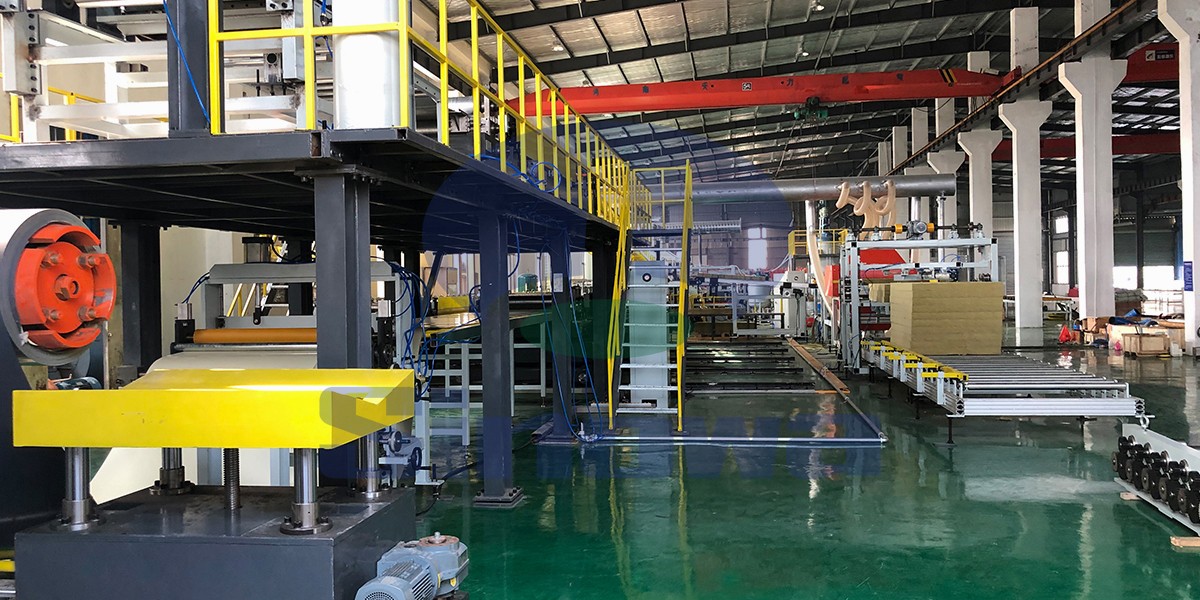
PU/Rockwool/Foam Sandwich Panel Production Line
Sinowa is pu/rockwool/foam sandwich panel production line manufacturer from china, dedicated to the research and development of high-end and high-efficiency, Sinowa is comprehensively taking the leading position in terms of efficiency, automation control level, HMI, environment protection and energy consumption, with subversive designs made in some critical technological fields to procure exceptional cost performance and customer-friendly experience for the entire pu/rockwool/foam sandwich panel production line. The adoption of system integration technology and bus control technology accomplishes the full automatization of integrated and coordinated control of the entire pu/rockwool/foam sandwich panel production line with accessible remote interactive communication. Ranking the first-class level in the world, it is currently the pu/rockwool/foam sandwich panel production line in the market taking a comprehensive lead in high performance.
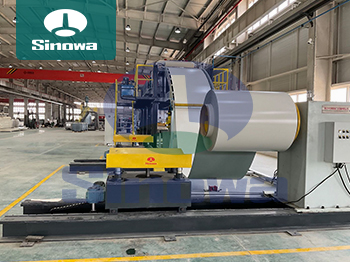
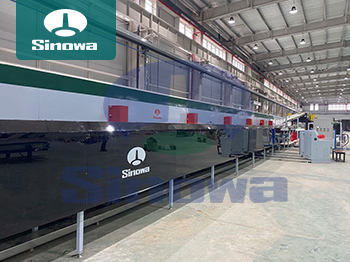
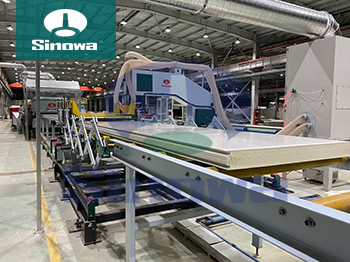
Based on the continuous technological pursuit, the pu/rockwool/foam sandwich panel production line developed by Sinowa provides you with high-efficiency industrial value. Based on China's cost advantage and our hard-working technology concept, our pu/rockwool/foam sandwich panel production line has a world-leading price-performance advantage. pu/rockwool/foam sandwich panel production line can meet a variety of production needs of customers.The whole pu/rockwool/foam sandwich panel production line design concept of modularization enables all our components to be integrated and combined at will. Our pu/rockwool/foam sandwich panel production line can easily automate the production of roof sandwich panel, wall sandwich panel, cold storage sandwich panel and other products by different combination and configuration selection and siple switching. The inner core layer can be polyrethane or rock wool, glass wool, an so on.
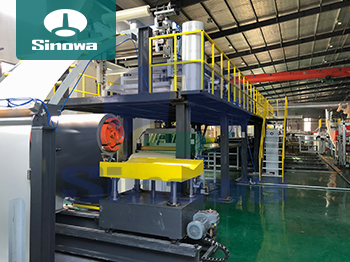


The pu/rockwool/foam sandwich panel production line has high adaptability, which may produce various sandwich panel of the PU, PIR and rock wool systems. We may design various products according to the customer’s requirements, including various configurations, so as to meet their demands with flexible price system. Highly integrated and linked control system centralizes all control points at the main central center, achieving parameter linkage, fault self-diagnosis controlled by the whole line and shipping distance control. High-level automatic control system also saves the manpower and reduces the manpower loss for customers.


Concentrated system control is fully realized in the practice of concentrated process control so that the control system of all the movements of the parts in the pu/rockwool/foam sandwich panel production line is integrated in one process control console with accessible remote communication to elevate the automation and reduce the allocated number of personnel for the assembly line. The main engine with modularized design achieves the precision operation of the pu/rockwool/foam sandwich panel production line, stable and reliable quality, less part and maintenance loss. The whole pu/rockwool/foam sandwich panel production line has over 40 innovative inventions, making our products have lots of unique features and the comprehensive performance of our pu/rockwool/foam sandwich panel production line leading in the industry.


The precision servo hoisting mechanism employed by the main engine without hydraulic system makes the board thickness control flexible and the customer may conveniently change or adjust the board thickness. There will be not such troubles as hydraulic system adjustment, leakage, maintenance, etc. High-level energy saving and protection design makes the whole pu/rockwool/foam sandwich panel production line possible to produce around the clock throughout the year and the customer will save huge budget. In addition, the isolated heat preservation room is constructed for warming the environment. The energy saving and protection design of our pu/rockwool/foam sandwich panel production line may guarantee that the customer’s production line may be freely heated and produce in the main time to save more costs for customers.


The high-power low-consumption design quickens the reaction of the pu/rockwool/foam sandwich panel production line while energy consumption is kept low. With the brand-new, fully sealed inner insulation design, the energy consumption is controlled at the minimum level to achieve the design objective of less than an hour for the insulation system to be activated from the room temperature above 5℃ to the production process temperature. The energy consumption is only 40% that of those similar products.
In the realm of modern construction and industrial manufacturing, sandwich panels have emerged as a cornerstone material, celebrated for their exceptional combination of light weight, structural integrity, thermal insulation, and soundproofing capabilities. Behind the widespread adoption of these versatile panels lies the advancement of specialized production lines, each tailored to manufacture panels with distinct core materials. Among the most prominent are the PU Sandwich Panel Production Line, Rockwool Sandwich Panel Production Line, and Foam Sandwich Panel Production Line. These production systems not only define the quality and performance of the final products but also drive efficiency and innovation in the construction and manufacturing sectors.
To understand the significance of these production lines, it is first essential to grasp the unique properties of the core materials they process. Polyurethane (PU), rockwool, and foam (encompassing materials such as expanded polystyrene, EPS, and extruded polystyrene, XPS) each offer distinct advantages that make them suitable for specific applications. PU is renowned for its superior thermal insulation, high strength-to-weight ratio, and excellent adhesion to facing materials. Rockwool, derived from natural basalt or diabase, stands out for its fire resistance, sound absorption, and chemical stability. Foam materials, particularly EPS and XPS, are valued for their low cost, lightweight nature, and reliable thermal insulation. The production lines designed for these materials are engineered to leverage these properties, ensuring that the final sandwich panels meet the rigorous demands of diverse end-use environments, from residential buildings to industrial warehouses, and from cold storage facilities to public infrastructure.
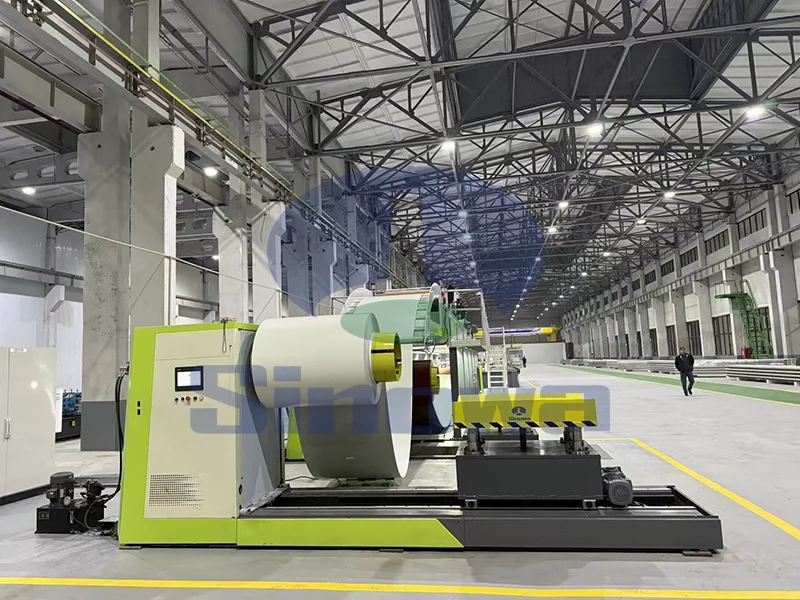
Technical Characteristics and Production Processes of PU Sandwich Panel Production Lines
PU sandwich panels consist of two facing materials (typically steel sheets, aluminum sheets, or fiber-reinforced cement boards) bonded to a core of polyurethane foam. The PU Sandwich Panel Production Line is a highly integrated system that combines precision mixing, continuous lamination, and automated cutting to produce panels of consistent quality and dimensions. One of the key technical characteristics of this production line is its ability to control the foaming process with extreme accuracy, as the properties of the PU core—such as density, thermal conductivity, and compressive strength—are directly influenced by factors like mixing ratio, temperature, and pressure during foaming.
The production process of a PU Sandwich Panel Production Line can be divided into several sequential stages. First, the facing materials are uncoiled and subjected to surface treatment, which may include degreasing, cleaning, or priming to enhance adhesion with the PU core. This step is critical, as poor adhesion between the facing and core can compromise the structural integrity of the panel. Next, the facing materials are fed into the lamination section, where the PU raw materials—polyol and isocyanate—are mixed in a high-pressure mixing head. The mixing head ensures that the two components are blended uniformly, a process that directly affects the homogeneity of the foam core. The mixed PU foam is then continuously extruded between the two facing materials, which are pressed together by a series of rollers to maintain the desired thickness and ensure full adhesion.
Following lamination, the composite panel enters a curing tunnel, where controlled temperature and humidity conditions facilitate the foaming and curing of the PU core. The curing process is essential to stabilize the foam structure, allowing it to achieve its full mechanical and thermal properties. The length of the curing tunnel and the temperature settings vary depending on the desired panel thickness and the specific PU formulation used. Once cured, the continuous panel is fed into an automated cutting system, which uses precision saws or knives to cut the panel into the required lengths. Finally, the finished panels are stacked and packaged for shipment. Advanced PU Sandwich Panel Production Lines often incorporate computerized control systems that monitor and adjust key parameters—such as mixing ratio, line speed, and curing temperature—in real time, ensuring consistent quality and minimizing waste.
Another notable technical feature of PU Sandwich Panel Production Lines is their flexibility in producing panels with varying specifications. These lines can accommodate different thicknesses of facing materials (ranging from 0.3mm to 1.2mm for steel sheets) and core thicknesses (from 20mm to 200mm or more), depending on the application requirements. Additionally, some advanced lines offer the option to produce panels with different surface finishes, such as embossed, painted, or coated surfaces, to meet aesthetic and functional needs. The efficiency of modern PU production lines is also impressive, with typical line speeds ranging from 1m/min to 5m/min, enabling high-volume production to meet the demands of large-scale construction projects.
Technical Characteristics and Production Processes of Rockwool Sandwich Panel Production Lines
Rockwool sandwich panels are distinguished by their exceptional fire resistance, making them a preferred choice for applications where fire safety is a top priority. The Rockwool Sandwich Panel Production Line is designed to handle the unique properties of rockwool core material, which is fibrous, porous, and requires careful handling to maintain its structural and thermal properties during lamination. Unlike PU foam, which is formed in situ between the facing materials, rockwool core is typically pre-manufactured as a rigid board, which is then bonded to the facing materials in the production line. This difference in core material handling gives the Rockwool Sandwich Panel Production Line distinct technical characteristics compared to PU lines.
The production process of a Rockwool Sandwich Panel Production Line begins with the preparation of the rockwool core and facing materials. The rockwool core boards are cut to the approximate width of the desired panel and fed into the production line. Meanwhile, the facing materials (usually galvanized steel sheets or aluminum sheets) are uncoiled, surface-treated, and cut to the appropriate width. In some cases, the facing materials may also be roll-formed to create profiles that enhance the structural strength of the final panel. Next, an adhesive is applied to both sides of the rockwool core board using a roller coating or spraying system. The type of adhesive used is critical, as it must provide strong bonding between the fibrous rockwool core and the smooth facing materials, while also withstanding high temperatures (to maintain fire resistance) and environmental conditions.
Once the adhesive is applied, the rockwool core is fed between the two facing materials, and the composite structure is passed through a series of lamination rollers. These rollers apply uniform pressure to ensure that the facing materials adhere tightly to the core, eliminating air gaps that could reduce thermal insulation and structural performance. Unlike PU production lines, which require a curing tunnel for foam formation, rockwool sandwich panel production typically involves a drying or curing stage for the adhesive. This stage may take place in a heated tunnel or at room temperature, depending on the type of adhesive used. The drying time is carefully controlled to ensure that the adhesive achieves its full bonding strength before the panel is cut.
After the adhesive is cured, the continuous composite panel is cut to length using precision cutting equipment. Advanced Rockwool Sandwich Panel Production Lines may also incorporate edge trimming systems to ensure that the panel edges are smooth and uniform, which is important for ease of installation. Additionally, some lines offer the option to add accessories such as sealing strips or tongue-and-groove edges during production, enhancing the panel's performance in terms of water resistance and air tightness. A key technical challenge in rockwool panel production is maintaining the integrity of the rockwool core during handling and lamination. To address this, modern production lines are equipped with specialized feeding and conveying systems that minimize fiber breakage and core compression, ensuring that the final panel retains its original thermal and soundproofing properties.
The Rockwool Sandwich Panel Production Line is also characterized by its focus on fire safety compliance. The production process is designed to ensure that the bond between the rockwool core and facing materials does not degrade at high temperatures, preserving the panel's structural stability during a fire. Additionally, the production line must adhere to strict quality control standards to ensure that the rockwool core meets the required density and fiber distribution specifications, as these factors directly influence the panel's fire resistance and thermal insulation performance. Modern lines often include inline quality inspection systems that monitor core density, adhesive coverage, and panel thickness, ensuring that each panel meets the required standards.
Technical Characteristics and Production Processes of Foam Sandwich Panel Production Lines
Foam sandwich panels, which typically use EPS (expanded polystyrene) or XPS (extruded polystyrene) as the core material, are widely used in residential and commercial construction due to their excellent thermal insulation, lightweight nature, and cost-effectiveness. The Foam Sandwich Panel Production Line is engineered to handle the specific properties of foam cores, which are lightweight, porous, and require careful handling to avoid damage during production. Similar to rockwool panels, foam cores are often pre-manufactured as rigid boards, which are then bonded to facing materials in the production line. However, foam cores have lower density and compressive strength compared to rockwool, requiring adjustments in the lamination process to prevent core deformation.
The production process of a Foam Sandwich Panel Production Line shares some similarities with the Rockwool Sandwich Panel Production Line but includes specific adaptations for foam core materials. The process begins with the preparation of the foam core and facing materials. The foam core boards (EPS or XPS) are cut to the desired width and thickness, and any dust or debris from cutting is removed to ensure proper adhesion. The facing materials, which can include steel sheets, aluminum sheets, or PVC panels, are uncoiled, surface-treated, and cut to size. Surface treatment of the facing materials is particularly important for foam panels, as foam cores have lower adhesion properties compared to PU or rockwool, requiring a strong bond to maintain structural integrity.
Next, adhesive is applied to the foam core and/or facing materials. The type of adhesive used for foam panels is typically a solvent-based or water-based adhesive with high bond strength and compatibility with foam materials. The adhesive is applied using a roller or spray system, with careful control of the application amount to ensure full coverage without excess adhesive, which could add unnecessary weight or cost. The foam core is then positioned between the two facing materials, and the composite structure is fed into the lamination section. Unlike rockwool or PU lines, the lamination rollers in a foam panel production line apply lower pressure to prevent compression and deformation of the foam core. Some lines use a vacuum lamination system to ensure uniform pressure distribution, which helps to achieve a strong bond without damaging the core.
After lamination, the composite panel enters a drying or curing stage to allow the adhesive to set. The drying time and temperature are tailored to the type of adhesive and foam core used, ensuring that the bond achieves maximum strength. For EPS foam panels, care must be taken to avoid high temperatures during drying, as EPS can soften or melt at elevated temperatures. Once cured, the continuous panel is cut to length using precision cutting equipment, which may include circular saws or wire cutters designed for foam materials. Edge trimming and finishing processes are then performed to ensure the panels are ready for installation. Some advanced Foam Sandwich Panel Production Lines also offer the option to produce panels with decorative surfaces, such as wood grain or stone finishes, by laminating decorative films to the facing materials during production.
A key technical characteristic of Foam Sandwich Panel Production Lines is their focus on cost efficiency and high-volume production. Foam core materials are relatively low-cost compared to PU or rockwool, and the production process is less complex than PU foam lamination, allowing for lower production costs and higher line speeds. Modern foam panel production lines can achieve line speeds of up to 6m/min, making them ideal for large-scale residential construction projects where cost and speed are critical factors. Additionally, these lines are often designed with modular components, allowing for easy adjustment of panel dimensions and specifications to meet the needs of different projects.
Comparative Analysis and Application Scenarios of the Three Production Lines
Each of the three production lines—PU, Rockwool, and Foam—has distinct advantages and limitations, making them suitable for different application scenarios. A comparative analysis of their technical characteristics, product performance, and cost factors reveals the optimal use cases for each type of production line.
In terms of product performance, PU sandwich panels produced by the PU Sandwich Panel Production Line offer the best thermal insulation properties, with a thermal conductivity as low as 0.022 W/(m·K). This makes them ideal for applications where energy efficiency is a top priority, such as cold storage facilities, refrigerated warehouses, and residential buildings in extreme climates. PU panels also have high compressive strength and load-bearing capacity, making them suitable for use as wall and roof panels in industrial buildings. However, PU foam is flammable, which limits its use in applications with strict fire safety requirements. The production cost of PU panels is also higher compared to foam panels, due to the higher cost of PU raw materials.
Rockwool sandwich panels, produced by the Rockwool Sandwich Panel Production Line, excel in fire resistance, with a fire rating of up to A1 (non-combustible) according to international standards. They also offer excellent sound absorption properties, making them suitable for use in buildings where noise reduction is important, such as airports, train stations, and industrial facilities with high noise levels. Rockwool panels have good thermal insulation performance (thermal conductivity around 0.038 W/(m·K)) and are resistant to high temperatures, chemicals, and moisture. However, they are heavier than PU and foam panels, which can increase transportation and installation costs. Rockwool panels are commonly used in fire-rated walls and ceilings, industrial workshops, and public infrastructure projects where fire safety is non-negotiable.
Foam sandwich panels (EPS/XPS) from the Foam Sandwich Panel Production Line are the most cost-effective option, with lower production and material costs compared to PU and rockwool panels. They offer good thermal insulation (thermal conductivity around 0.039-0.042 W/(m·K)) and are lightweight, making them easy to transport and install. EPS panels are widely used in residential construction, such as prefabricated houses, partition walls, and roof insulation. XPS panels, which have higher compressive strength than EPS, are suitable for use in floors, foundations, and underground insulation. However, foam panels have poor fire resistance (EPS is flammable, and XPS has limited fire resistance) and lower load-bearing capacity compared to PU and rockwool panels, restricting their use in high-rise buildings and industrial facilities with heavy loads.
The choice of production line is therefore heavily influenced by the specific requirements of the end application. For example, a construction project involving a cold storage facility would likely opt for a PU Sandwich Panel Production Line to produce panels with superior thermal insulation. A project involving a high-rise office building with strict fire safety codes would prioritize a Rockwool Sandwich Panel Production Line. A large-scale residential development focused on cost efficiency would likely choose a Foam Sandwich Panel Production Line. In some cases, a combination of different panel types may be used, with each type selected for its specific performance advantages in different parts of the building.
Technological Innovations and Future Trends of Sandwich Panel Production Lines
The sandwich panel production industry is continuously evolving, driven by advancements in materials science, automation technology, and growing demand for sustainable and energy-efficient building materials. All three types of production lines—PU, Rockwool, and Foam—are undergoing technological innovations aimed at improving efficiency, reducing environmental impact, and enhancing product performance.
One of the key trends in sandwich panel production lines is the integration of advanced automation and intelligent control systems. Modern production lines are increasingly equipped with sensors, cameras, and computerized control systems that monitor every stage of the production process in real time. For example, in PU production lines, AI-powered systems can adjust the mixing ratio of PU raw materials based on environmental conditions (such as temperature and humidity) to ensure consistent foam quality. In Rockwool and Foam production lines, machine vision systems can detect defects in the core material or adhesive coverage, allowing for immediate adjustments to minimize waste. Automation also extends to material handling and packaging, with robotic systems used to stack and package finished panels, reducing labor costs and improving efficiency.
Another important trend is the focus on sustainability and environmental friendliness. The production of sandwich panels, particularly PU and foam panels, has traditionally been associated with the use of fossil fuel-based raw materials and the emission of greenhouse gases. To address this, manufacturers are developing eco-friendly alternatives, such as bio-based PU foams made from renewable resources (e.g., vegetable oils) and recycled foam cores. Production lines are also being modified to reduce energy consumption and waste. For example, some PU production lines now use low-energy curing systems, and Rockwool production lines are incorporating waste heat recovery systems to reduce energy use. Additionally, production processes are being optimized to minimize adhesive waste and ensure that leftover materials are recycled or reused.
Advancements in material science are also driving innovations in sandwich panel production lines. For example, the development of high-strength, lightweight facing materials (such as fiber-reinforced polymer composites) is allowing production lines to manufacture panels with even better structural performance and lower weight. In Rockwool production lines, improvements in rockwool fiber technology are enhancing the core material's thermal insulation and fire resistance properties, while reducing its weight. For Foam production lines, the development of flame-retardant foam cores is expanding the application range of foam panels to include projects with higher fire safety requirements.
Modular and flexible production lines are also becoming more popular, as manufacturers seek to adapt to changing market demands. Modern production lines are designed with modular components that can be easily reconfigured to produce different types of panels (e.g., changing from PU to foam panels) or adjust panel dimensions and specifications. This flexibility allows manufacturers to serve a wider range of customers and respond quickly to new market opportunities. Additionally, portable production lines are being developed for use in remote areas or large-scale construction projects, allowing panels to be manufactured on-site, reducing transportation costs and carbon emissions.
Looking to the future, the sandwich panel production industry is expected to continue its trend toward intelligentization, sustainability, and customization. As the global construction industry shifts toward green and low-carbon building practices, demand for eco-friendly sandwich panels and the production lines that manufacture them will grow. Advances in 3D printing technology may also have a significant impact, with the potential to revolutionize the production of sandwich panels by enabling on-demand, customized panel designs. Additionally, the integration of digital twin technology into production lines will allow manufacturers to simulate and optimize the production process, improving efficiency and reducing downtime.
Conclusion
The PU Sandwich Panel Production Line, Rockwool Sandwich Panel Production Line, and Foam Sandwich Panel Production Line are essential components of the modern construction and manufacturing industries, each playing a unique role in meeting the diverse needs of end users. These production lines are engineered to leverage the distinct properties of their respective core materials, producing panels with specialized performance characteristics—from the superior thermal insulation of PU panels to the fire resistance of rockwool panels and the cost efficiency of foam panels.
As the industry evolves, these production lines are undergoing continuous innovation, driven by the need for greater efficiency, sustainability, and customization. Advances in automation, material science, and digital technology are transforming the way sandwich panels are produced, making the process more intelligent, eco-friendly, and flexible. Whether for cold storage facilities, high-rise buildings, or residential developments, the choice of production line is a critical decision that impacts the performance, cost, and sustainability of the final project.
In conclusion, the ongoing development of PU, Rockwool, and Foam Sandwich Panel Production Lines is not only enhancing the quality and performance of sandwich panels but also contributing to the advancement of green and efficient building practices worldwide. As demand for sustainable and energy-efficient construction materials continues to rise, these production lines will remain at the forefront of innovation, shaping the future of the construction industry for years to come.
《PU/Rockwool/Foam Sandwich Panel Production Line》Update Date: 2026/1/8
URL: https://www.sinowamachine.cn/en/tag/pu-rockwool-foam-sandwich-panel-production-line.html
- PU Sandwich Panel Making Machine
- Rockwool Sandwich Panel Production Line
- PU Sandwich Panel Machine
- PU Sandwich Panel Production Line
- Mineral Wool Sandwich Panel Machine
- PUF Panel Machine
- Rock Wool Sandwich Panel Line
- Sandwich Panel Machines
- Sandwich Panel Lines
- Rockwool Sandwich Panel Machine
- Rockwool Sandwich Panel Line
- PU Sandwich Panel Line
- PU Panel Machine
- Foam Forming Machine
- Continuous Sandwich Panel Line
- Continuous PU Sandwich Panel Line
- PIR Sandwich Panel Line
- Polyurethane Sandwich Panel Line
- Automatic PU Sandwich Panel Production Line
- PU Foam Sandwich Panel Production Line