Email:sinowa@sinowa.cn
Tel:+0086 151 0610 6366
Address:1th,LiuMai Road,ZhenJiang High Tech Zone,China
PU Panel Machine

PU Panel Machine

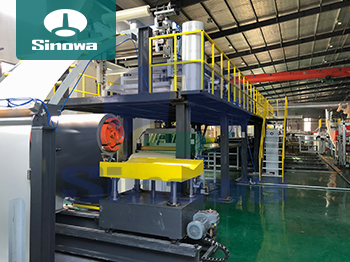
Sinowa is pu panel machine manufacturer from china, dedicated to the research and development of high-end and high-efficiency, Sinowa is comprehensively taking the leading position in terms of efficiency, automation control level, HMI, environment protection and energy consumption, with subversive designs made in some critical technological fields to procure exceptional cost performance and customer-friendly experience for the entire pu panel machine. The adoption of system integration technology and bus control technology accomplishes the full automatization of integrated and coordinated control of the entire pu panel machine with accessible remote interactive communication. Ranking the first-class level in the world, it is currently the pu panel machine in the market taking a comprehensive lead in high performance.
  • PU Panel Machine
  • PU Panel Machine
  • PU Panel Machine

Based on the continuous technological pursuit, the pu panel machine developed by Sinowa provides you with high-efficiency industrial value. Based on China's cost advantage and our hard-working technology concept, our pu panel machine has a world-leading price-performance advantage. pu panel machine can meet a variety of production needs of customers.The whole pu panel machine design concept of modularization enables all our components to be integrated and combined at will. Our pu panel machine can easily automate the production of roof sandwich panel, wall sandwich panel, cold storage sandwich panel and other products by different combination and configuration selection and siple switching. The inner core layer can be polyrethane or rock wool, glass wool, an so on.
  • PU Panel Machine
  • PU Panel Machine
  • PU Panel Machine

The pu panel machine has high adaptability, which may produce various sandwich panel of the PU, PIR and rock wool systems. We may design various products according to the customer’s requirements, including various configurations, so as to meet their demands with flexible price system. Highly integrated and linked control system centralizes all control points at the main central center, achieving parameter linkage, fault self-diagnosis controlled by the whole line and shipping distance control. High-level automatic control system also saves the manpower and reduces the manpower loss for customers.

  • PU Panel Machine
  • PU Panel Machine
  • PU Panel Machine

Concentrated system control is fully realized in the practice of concentrated process control so that the control system of all the movements of the parts in the pu panel machine is integrated in one process control console with accessible remote communication to elevate the automation and reduce the allocated number of personnel for the assembly line. The main engine with modularized design achieves the precision operation of the pu panel machine, stable and reliable quality, less part and maintenance loss. The whole pu panel machine has over 40 innovative inventions, making our products have lots of unique features and the comprehensive performance of our pu panel machine leading in the industry.

  • PU Panel Machine
  • PU Panel Machine
  • PU Panel Machine

The precision servo hoisting mechanism employed by the main engine without hydraulic system makes the board thickness control flexible and the customer may conveniently change or adjust the board thickness. There will be not such troubles as hydraulic system adjustment, leakage, maintenance, etc. High-level energy saving and protection design makes the whole pu panel machine possible to produce around the clock throughout the year and the customer will save huge budget. In addition, the isolated heat preservation room is constructed for warming the environment. The energy saving and protection design of our pu panel machine may guarantee that the customer’s production line may be freely heated and produce in the main time to save more costs for customers.

  • PU Panel Machine
  • PU Panel Machine
  • PU Panel Machine

The high-power low-consumption design quickens the reaction of the pu panel machine while energy consumption is kept low. With the brand-new, fully sealed inner insulation design, the energy consumption is controlled at the minimum level to achieve the design objective of less than an hour for the insulation system to be activated from the room temperature above 5℃ to the production process temperature. The energy consumption is only 40% that of those similar products.

Polyurethane (PU) panel machines stand as core industrial equipment dedicated to the mass production of PU composite panels, a versatile building and industrial material valued for its dual combination of structural stability and functional performance. These machines integrate mechanical, hydraulic, electrical and chemical foaming technologies into a unified production system, eliminating the need for manual panel fabrication and enabling consistent, large-scale output tailored to diverse industry demands. Unlike standalone processing tools, a complete PU panel machine system is a coordinated assembly of interconnected modules, each designed to execute a specific stage of the panel production cycle, from raw material handling to finished product stacking. The overall design prioritizes operational stability, production precision and adaptability, allowing the equipment to accommodate varying panel sizes, thicknesses and core material specifications without compromising product quality. Every structural component is engineered to withstand continuous industrial operation, resist wear from frequent use and maintain tight tolerances that define the final panel’s flatness, density and bonding strength, making the machine a cornerstone of modern composite material manufacturing across construction, cold chain logistics, automotive and industrial insulation sectors.

PU Panel Machine

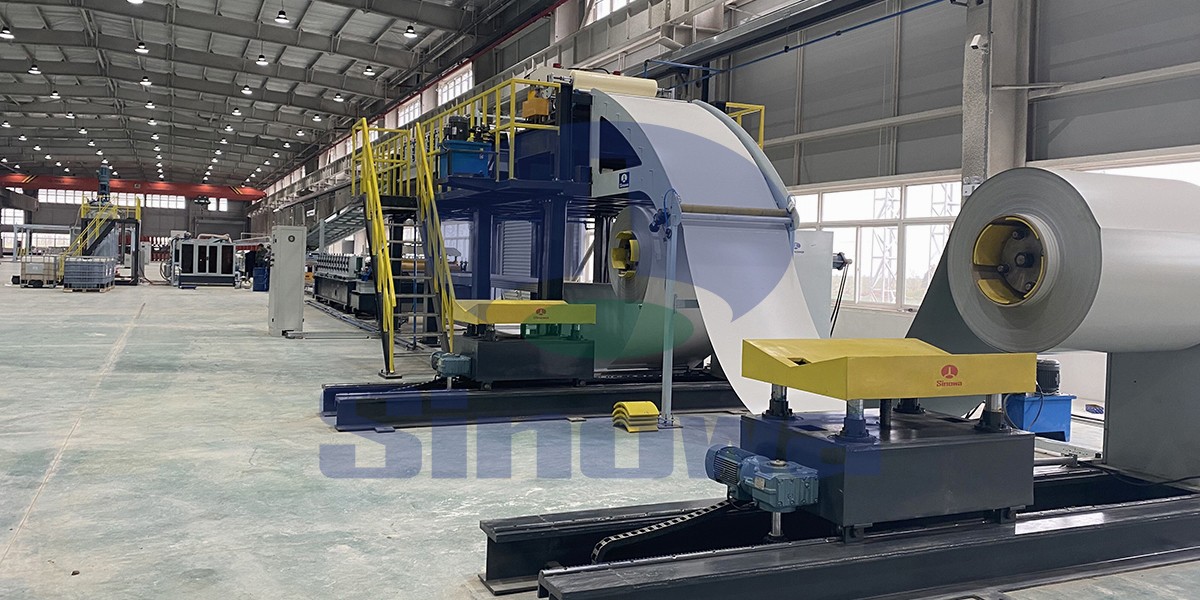
At the heart of the PU panel machine’s structure lies its main frame, typically constructed from heavy-duty, heat-treated steel with a box-shaped design to enhance rigidity and prevent deformation during long production runs. This robust frame serves as the foundation for all other working modules, absorbing vibrations generated by conveyor movement, hydraulic pressing and foaming reactions to ensure steady operation. The material feeding system forms the initial stage of the production line, featuring uncoiling mechanisms for metal or non-metal facing sheets, paired with precision guiding rollers and alignment devices to prevent sheet skewing or misalignment as materials move through the line. For continuous production models, the uncoiling system works in tandem with a buffer conveyor to maintain a steady flow of raw materials, avoiding production interruptions during coil changes. Following the feeding stage, the roll forming module shapes flat facing sheets into standardized profiles, such as corrugated, trapezoidal or flat designs, through a series of gradually adjusting rollers that bend materials without causing cracks or surface damage. This module is fully adjustable to accommodate different sheet thicknesses and profile shapes, adding to the machine’s overall flexibility.

A critical structural component is the PU foaming and mixing system, which controls the chemical reaction that forms the panel’s insulating core. This system consists of sealed storage tanks for raw chemical materials, high-precision metering pumps, a dynamic mixing chamber and a distribution nozzle assembly. The metering pumps ensure the exact ratio of raw materials is delivered consistently, a key factor in achieving uniform foam density and performance, while the mixing chamber blends the materials at high pressure to initiate the foaming reaction efficiently. The nozzle assembly is mounted on a movable carriage that distributes the mixed PU mixture evenly between the upper and lower facing sheets, preventing gaps or uneven distribution that could weaken the final panel. Adjacent to the foaming system is the double-belt conveyor and curing module, a defining feature of most advanced PU panel machines. The double-belt system consists of two parallel, heat-controlled conveyor belts that apply consistent pressure to the sandwich structure as it moves forward, compressing the foaming PU mixture to the desired panel thickness and promoting strong bonding between the core and facing sheets. The belts are equipped with temperature control units that regulate the curing process, accelerating the chemical hardening of the PU foam while maintaining a stable surface temperature to avoid warping or blistering. The speed of the double belt is synchronized with the feeding and foaming systems, creating a seamless production flow where each stage operates in perfect harmony.

Additional structural elements include the precision cutting system, cooling section and finished product stacking module. The cutting system uses high-speed saws or shearing tools to trim the continuous panel strip into fixed lengths as specified by production needs, with automated positioning systems ensuring minimal cutting tolerance and clean, smooth edges. The cooling section follows the curing module, using natural air circulation or controlled airflow to lower the panel temperature to ambient levels before cutting and stacking, preventing heat-related deformation and ensuring dimensional stability. The stacking module automatically collects finished panels, arranges them in neat stacks and prepares them for subsequent packaging or transport, reducing manual labor and minimizing the risk of surface damage during handling. The entire machine is controlled by a centralized electrical control system, featuring an intuitive operation interface that allows operators to adjust key parameters such as production speed, foam density, panel thickness and curing temperature with high precision. Sensors installed throughout the production line monitor real-time operating status, detecting abnormalities such as material jams, inconsistent foam flow or temperature fluctuations and triggering automatic alerts to maintain production safety and product consistency.

The performance of a PU panel machine is defined by several core metrics that directly impact production efficiency, product quality and operational reliability, with no reliance on external certifications or brand-specific enhancements to deliver consistent results. One of the most prominent performance traits is high production efficiency, enabled by fully automated continuous operation that minimizes downtime and maximizes output volume. The synchronized operation of all modules eliminates manual intervention at most stages, allowing the machine to run continuously for extended periods with only routine maintenance stops, making it suitable for large-scale industrial production demands. Production speed is fully adjustable to match different production requirements, with slower speeds used for high-density, thick panels and faster speeds for standard thin panels, balancing efficiency and quality effectively. Precision is another standout performance feature, with the machine capable of maintaining tight dimensional tolerances for panel thickness, width and length, as well as uniform PU foam density across the entire panel surface. This precision ensures that every finished panel meets strict dimensional standards, with consistent insulation performance, structural strength and flatness, eliminating defective products and reducing material waste.

Durability and operational stability are also key performance indicators, as the machine is built to endure the harsh conditions of continuous industrial use. The heavy-duty structural frame and wear-resistant components, such as hardened rollers, high-quality conveyor belts and corrosion-resistant chemical storage tanks, extend the machine’s service life and reduce the frequency of repairs and part replacements. The hydraulic and electrical systems are designed for stable performance under varying load conditions, with overload protection features that prevent damage to components during unexpected operational stress. Energy efficiency is an increasingly important performance aspect, with modern PU panel machines optimized to minimize energy consumption through targeted heating systems that only heat the necessary components rather than the entire machine, and variable-speed drives that adjust power usage based on production speed. Additionally, these machines feature environmentally friendly foaming technology that uses low-emission foaming agents, reducing airborne pollutants and aligning with sustainable industrial production practices without compromising the foam’s insulation and structural properties.

The machines also exhibit strong adaptability, a critical performance trait that allows them to process a wide range of raw materials and produce multiple types of PU panels. They can accommodate various facing materials, including colored steel, aluminum alloy, galvanized steel and non-metal materials such as fiberglass, making them versatile for different application scenarios. The foaming system can be adjusted to produce PU foam cores of varying densities, from lightweight insulation-focused cores to denser, load-bearing cores, and can even support the production of modified PU composite panels for enhanced fire resistance or sound insulation. Operators can quickly adjust parameters via the control interface to switch between different panel specifications, reducing setup time between production batches and improving overall production flexibility. Furthermore, the machine operates with low noise levels and minimal dust generation, creating a safer and more comfortable working environment for operators compared to older, manual panel production methods, while also reducing the need for extensive workplace ventilation and cleaning.

PU panel machines are classified into distinct categories based on production mode, functional scope and application focus, with each type designed to meet specific production scale, customization and efficiency needs. The most common classification is based on production continuity, dividing the equipment into continuous PU panel machines and discontinuous (batch) PU panel machines. Continuous PU panel machines are the preferred choice for large-scale, high-volume production, featuring a fully integrated production line that runs non-stop from raw material feeding to finished panel stacking. These machines are ideal for mass production of standard-sized panels used in widespread construction projects, offering unmatched efficiency and consistent product quality. The discontinuous models, by contrast, operate in batch mode, with panels produced one at a time or in small batches using a hydraulic press system. These machines are more compact and require lower initial setup space, making them suitable for small-scale production facilities, custom panel orders or projects that require frequent changes in panel size and specifications, as they offer greater flexibility for small-batch customized production.

Another classification method is based on functional specialization, separating machines into single-function PU panel machines and multi-functional composite panel machines. Single-function machines are designed exclusively for producing standard PU sandwich panels, with all structural and performance parameters optimized for this single purpose, resulting in simpler operation, lower maintenance requirements and more stable performance for specialized production needs. Multi-functional machines, however, are engineered to produce not only PU panels but also other types of composite panels, such as modified PU (PIR) panels, rock wool composite panels and phenolic foam panels, by adjusting the foaming system and processing parameters. This multi-functional design makes them a cost-effective solution for manufacturers that produce a diverse range of composite insulation panels, catering to varied market demands without investing in multiple separate machines. Additionally, PU panel machines can be classified by panel application type, including general construction panel machines, cold storage panel machines and industrial special-purpose panel machines. Cold storage-specific machines are optimized to produce panels with ultra-high insulation performance and tight sealing properties, with enhanced foaming and curing systems to ensure the foam’s low thermal conductivity; industrial special-purpose machines are built to withstand harsher production conditions and produce panels with enhanced strength, fire resistance or chemical resistance for specialized industrial uses.

The versatility of PU panel machines, combined with their high-performance output, has led to their widespread adoption across numerous industries, with finished PU panels serving critical functions in construction, cold chain logistics, industrial manufacturing, transportation and renewable energy sectors. In the construction industry, PU panels produced by these machines are widely used for external wall insulation, roof insulation, interior partition walls and facade cladding of residential buildings, commercial complexes, industrial workshops and warehouses. The panels’ lightweight nature reduces the overall load on building structures, while their excellent thermal insulation properties improve energy efficiency, reducing heating and cooling costs for buildings year-round. Their quick installation characteristics also speed up construction timelines, making them a popular choice for both new construction projects and building renovation initiatives.

One of the most significant application areas is cold chain logistics and refrigeration engineering, where PU panels are the primary material for constructing cold storage warehouses, refrigerated trucks, frozen food processing plants and constant-temperature storage facilities. The closed-cell structure of the PU foam core created by the machine’s precise foaming process delivers exceptional thermal insulation performance, effectively preventing heat transfer and maintaining stable low temperatures inside cold storage spaces, which is essential for preserving perishable goods such as food, pharmaceuticals and agricultural products. The panels’ smooth, easy-to-clean surfaces and resistance to moisture and mold growth also meet the strict hygiene requirements of cold storage and food processing environments, while their structural strength supports the construction of large-scale cold storage facilities with high load-bearing capacity.

In industrial manufacturing, PU panels are used to construct clean rooms, dust-free workshops and temperature-controlled production areas for industries such as electronics, pharmaceuticals, food processing and precision manufacturing. The panels’ airtight properties and insulation performance help maintain stable indoor temperature, humidity and air quality, meeting the strict environmental control standards of these industries. Additionally, PU panels are used for industrial equipment insulation, pipeline insulation and tank insulation, protecting equipment from extreme temperature fluctuations and reducing energy loss in industrial operations. In the transportation sector, the panels are used to fabricate the bodies of refrigerated vans, insulated containers and special-purpose vehicles, leveraging their lightweight and high-strength properties to reduce vehicle weight while maintaining optimal insulation for cargo protection.

Beyond these core sectors, PU panel machines also support applications in prefabricated construction, temporary housing, agricultural facilities and marine engineering. Prefabricated houses and temporary shelters built with PU panels offer quick assembly, good insulation and durability, making them ideal for emergency housing, construction site dormitories and remote residential facilities. Agricultural greenhouses and livestock breeding facilities use PU panels for wall and roof construction, maintaining stable internal temperatures to promote crop growth and animal health while resisting corrosion from agricultural chemicals and moisture. In marine engineering, specially modified PU panels produced by adaptive machines are used for ship insulation and offshore facility construction, thanks to their moisture resistance and thermal stability in harsh marine environments. As demand for energy-efficient, sustainable building materials continues to rise globally, the application scope of PU panel machines is expanding further, with ongoing technological enhancements to their structure and performance driving even greater versatility, efficiency and environmental friendliness in composite panel production. This continuous evolution ensures that PU panel machines remain indispensable in modern industrial production, supporting the development of multiple sectors by providing reliable, high-quality composite panel solutions tailored to ever-changing market needs.

PU Panel Machine》Update Date: 2026/3/19

You are here: Home > Tag > PU Panel Machine
Contact Us
Address: 1th,LiuMai Road,ZhenJiang High Tech Zone,China