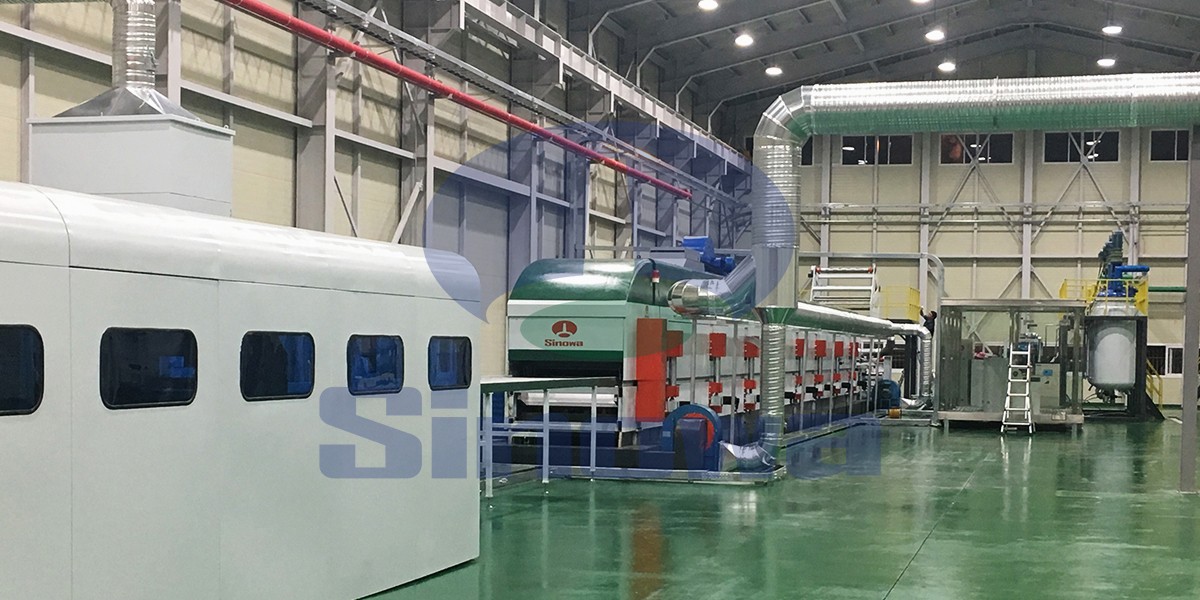
Phenolic Panel Production Line
Sinowa is phenolic panel production line manufacturer from china, phenolic panel production line has diversified and multifunctional production characteristics, which may produce products with different specifications such as PU, PF, PIR, etc. The surface material may be aluminum foil, colored steel, cement base cloth, kraft paper, non-woven fabrics, etc. The products are widely applied to such occasions as construction, decoration, pipeline ventilation, subway construction, etc. The phenolic panel production line is able to continuously and efficiently produce high-quality PU and Phenolic insulation boards.
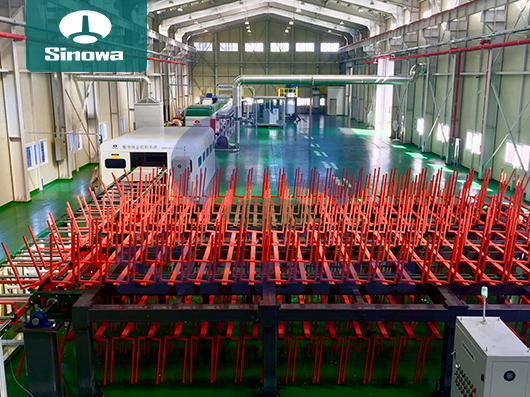
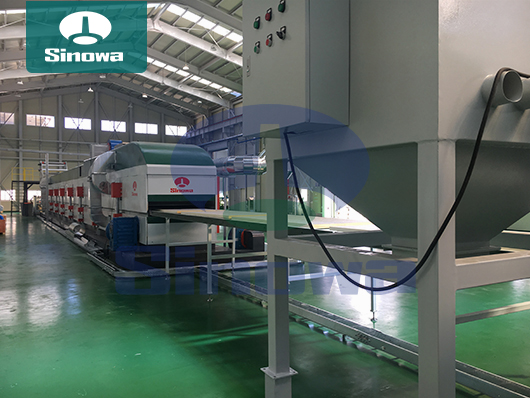
We spare no efforts to improve our product quality and technological reliability by employing the most cutting-edge and the most reliable support and processes to make our products highly reliable and endurable. As a result, the phenolic panel production line of our soft layer insulation panels is highlighted by many perfect qualities. It is the core idea in Sinowa's product roadmap to surpass our competitors in terms of design philosophy, manufacture methods and service level, going for excellence and leading position and making constant improvement on our products and services, which is also our core value system to create efficiency and convenience for our customers.
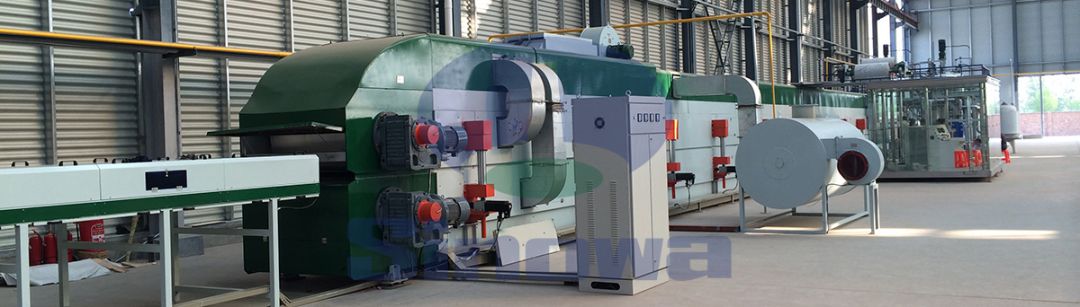
Well-grounded on our solid strength as a renowned large-scale enterprise, Sinowa has a high starting point in developing industrial assembly lines. Based on the advanced science and technology introduced from within and without the country and supported by a great number of first-grade parts and components from the home and aboard, these phenolic panel production line have a high-level configuration of supporting products in terms of machinery, electrical control, hydraulic pressure, automatic measurement and tracking, and so on. This is a strong proof of our product’s reliable quality and high efficiency.
The first-class appearance design and excellent energy saving measures make it unnecessary for customers to additionally construct the heat preservation and isolation room for production around the clock throughout the year, so that the customers may save lots of resources and costs.


Modularized standard design and important parts machined with CNC machine tool make the production line have excellent quality assurance. Dependence on the man-made factors is eliminated. The operation is precision, with the highest operation speed of 30m/min. The phenolic panel production line has the world-class production efficiency.
The high performance and reliable multicomponent cyclopentane foaming technology and equipment of Sinowa may be also applied to the foaming process of the phenolic aldehyde board. Therefore, our customers may not only freely adjust the foaming matching according to the raw material, but also save lots of costs. Moreover, they are of significance for environmental protection.


Sinowa's phenolic panel production line is distinguished by its impressive performance of energy conservation. In each high point of energy consumption throughout the entire production line are implemented corresponding measures to considerably lower the consumption level. For example, the body of the lamination belt conveyer is covered with insulation panels in very reasonable structures, which doesn’t blemish the overall outlook but greatly increases the insulation performance. The entire phenolic panel production line is constantly optimized and improved so that the consumption of each power source is significantly reduced. The motor power of our lamination conveying system is only 3.0 kw, about 50% less than those of the same kind. All in all, the energy consumption of the whole phenolic panel production line equals 40% or even less of the equivalent lines in the market.
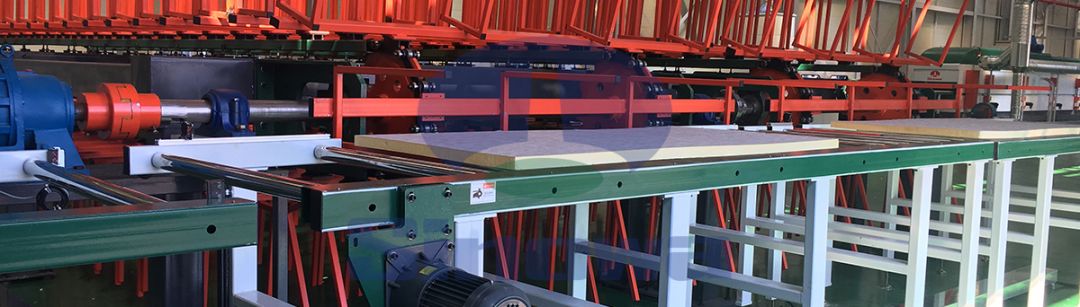
The phenolic panel production line of Sinowa adopts the most advanced concepts in the world to realize the modularized design with all the parts bolted together rather than welded. In standardized production, the parts can be dismantled and exchanged, so the production cycle is drastically shortened and the maintenance becomes by far easier. Through finite element analysis, the phenolic panel production line design is greatly optimized to realize modularization, digitization, and weight-minimalization.
A phenolic panel production line stands as a sophisticated, fully integrated industrial system designed to manufacture high-performance phenolic composite panels through continuous, automated processing, merging chemical synthesis, mechanical forming, and precision curing to deliver consistent, durable end products. Unlike fragmented manual production, this streamlined line unifies multiple processing modules into a single operational flow, minimizing human intervention, reducing material waste, and ensuring uniform product quality across large-scale output. The entire system is engineered to adapt to diverse production requirements, supporting adjustments in panel thickness, density, surface texture, and core structure without major reconfiguration, making it a cornerstone of modern composite material manufacturing for both construction and industrial sectors. At its core, the production line operates on the principle of thermosetting resin processing, where phenolic resin—one of the most stable thermosetting polymers—acts as the primary binding agent, combined with reinforcing substrates and foaming agents to create panels with tailored mechanical and functional properties. Every segment of the line is calibrated to maintain strict control over temperature, pressure, reaction time, and material distribution, as even minor deviations in these parameters can alter the final performance of the phenolic panels, impacting their durability, insulation capacity, and structural stability.
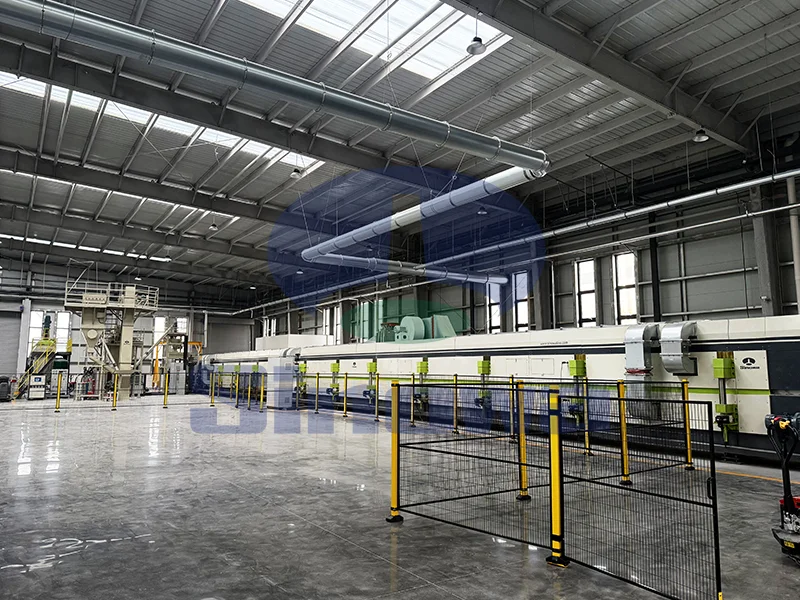
The structural composition of a complete phenolic panel production line is divided into several interconnected, sequentially arranged modules, each fulfilling a specialized role in the manufacturing journey. The initial stage consists of raw material handling and preparation units, which store, meter, and mix phenolic resin, curing agents, foaming components, reinforcing fibers, and surface layer materials in precise ratios. This stage features sealed storage tanks, automated dosing systems, and high-speed mixers to ensure homogeneous blending of raw materials, preventing uneven resin distribution or incomplete foaming in the final panels. Following material preparation, the feeding and pre-forming module transports the mixed resin slurry and substrate materials to the forming area, with continuous conveyor systems maintaining a steady, adjustable speed to match the processing pace of subsequent stations. The core forming and curing zone represents the heart of the production line, where the mixed materials are pressed into flat, uniform panels under controlled temperature and high pressure. This zone integrates heating plates, pressure rollers, and closed curing chambers, where the phenolic resin undergoes irreversible cross-linking reactions to solidify into a rigid, stable structure; the temperature and pressure levels here are fine-tuned based on the desired panel density and thickness, balancing curing speed and material integrity. Post-curing, the line includes a cooling and shaping module, which gradually lowers the panel temperature to room temperature to avoid warping, cracking, or internal stress buildup, followed by precision cutting, edge trimming, and surface finishing units. These downstream modules use automated cutting tools and smoothing equipment to process panels into standardized sizes or custom dimensions, with dust removal systems maintaining a clean operational environment. Finally, the inspection and packaging module conducts non-destructive quality checks on surface flatness, thickness uniformity, and structural integrity before stacking and packaging finished panels for storage and distribution. The entire line is linked by a centralized electrical control system, enabling real-time monitoring and adjustment of processing parameters, ensuring seamless coordination between all modules and sustaining continuous, efficient production around the clock.
The structural stability and operational reliability of the phenolic panel production line directly translate to the inherent performance properties of the finished phenolic panels, which are defined by a unique combination of physical, chemical, and functional advantages that set them apart from other composite and traditional building materials. One of the most prominent performance traits is exceptional fire resistance: phenolic panels are inherently self-extinguishing, releasing minimal smoke and toxic fumes when exposed to open flames or extreme heat, as the resin matrix forms a dense, protective char layer that halts flame spread and insulates the internal structure. This fire-safe property makes the panels suitable for high-safety environments without relying on additional flame-retardant coatings. In terms of thermal insulation, phenolic panels feature a closed-cell foam core structure created during the foaming and curing process, resulting in extremely low thermal conductivity; this structure effectively blocks heat transfer, maintaining stable indoor temperatures in buildings and reducing energy consumption for heating and cooling systems year-round. The panels also exhibit outstanding dimensional stability, resisting expansion, contraction, warping, or deformation even when exposed to extreme temperature fluctuations, high humidity, or prolonged outdoor weathering, thanks to the rigid cross-linked molecular structure of cured phenolic resin. Moisture resistance is another key performance attribute, as the non-porous surface and compact resin matrix prevent water absorption, mold growth, and rot, preserving structural integrity in damp, humid environments such as basements, bathrooms, and coastal construction sites.
Mechanically, phenolic panels deliver strong compressive and flexural strength, with the ability to withstand heavy static loads and moderate impact without cracking, breaking, or permanent deformation, making them suitable for both structural and non-structural applications. They also offer excellent chemical stability, resisting corrosion, erosion, and degradation from common substances including acids, alkalis, oils, solvents, and daily cleaning agents, which extends their service life in industrial, laboratory, and commercial settings. Additionally, phenolic panels have reliable sound insulation properties, absorbing and blocking airborne noise to create quieter indoor spaces, while their lightweight nature reduces transportation and installation costs compared to heavier building materials such as concrete, metal, or solid wood. The materials are also highly workable, allowing for easy cutting, drilling, bonding, and installation with standard construction tools, without requiring specialized equipment. Over long-term use, phenolic panels maintain their performance and appearance with minimal maintenance, as their hard, smooth surface resists scratches, stains, and abrasion, even in high-traffic areas. Unlike many organic composite materials, phenolic panels do not release harmful volatile organic compounds under normal operating conditions, supporting healthier indoor air quality in residential, commercial, and public spaces.
Phenolic panels produced by integrated production lines are categorized into distinct types based on core structure, surface material, application focus, and physical form, each engineered to meet specific functional and environmental demands. The most widely used category is phenolic foam insulation panels, which feature a pure phenolic foam core with lightweight, flexible surface layers such as non-woven fabric, kraft paper, or thin aluminum foil; these panels prioritize thermal insulation and fire safety, optimized for energy-efficient building insulation, HVAC duct systems, and pipeline insulation projects. Structural phenolic sandwich panels represent a second major type, constructed with a rigid phenolic foam core bonded to durable, load-bearing surface layers such as colored steel sheets, cement fiber boards, or metal plates; this sandwich structure enhances overall mechanical strength, making the panels suitable for wall cladding, roof panels, and partition systems in commercial buildings, warehouses, and prefabricated structures. High-pressure decorative phenolic panels, often referred to as compact phenolic laminates, are made by compressing multiple layers of resin-impregnated cellulose paper under extreme heat and pressure, forming a dense, solid panel with a decorative, wear-resistant surface; these panels focus on aesthetic appeal and surface durability, ideal for interior wall cladding, furniture surfaces, countertops, and high-traffic public space finishes.
Other specialized types include phenolic film-faced panels, which feature a smooth, waterproof resin film coating on both sides, designed for heavy-duty applications such as concrete formwork, where reusability and resistance to concrete adhesion are critical; these panels can withstand repeated use in construction projects, reducing material waste and labor costs. Phenolic honeycomb panels are lightweight, high-strength variants with a honeycomb-shaped core sandwiched between thin phenolic surface layers, offering an exceptional strength-to-weight ratio that makes them perfect for transportation interior fittings, aerospace components, and lightweight architectural elements. There are also moisture-proof and outdoor-grade phenolic panels, formulated with enhanced resin formulas and weather-resistant surface treatments to withstand prolonged UV exposure, heavy rain, and extreme temperature changes, tailored for exterior building cladding, outdoor signage, and landscape structures. Each type is produced by adjusting raw material ratios, processing parameters, and surface layer materials on the same flexible production line, demonstrating the system’s versatility in catering to diverse market needs without separate manufacturing setups.
The versatile performance and diverse types of phenolic panels enable their widespread application across countless industries, with the most prominent use in the construction and building sector, where they serve as both insulation and structural materials. In residential construction, phenolic foam insulation panels are widely installed in exterior walls, roofs, floors, and basements to improve energy efficiency, enhance fire safety, and reduce noise transmission, creating comfortable, eco-friendly living spaces. For commercial and public buildings including offices, shopping malls, hospitals, schools, and stadiums, structural phenolic sandwich panels and decorative phenolic laminates are used for wall partitions, ceiling tiles, exterior cladding, and interior finishing, combining aesthetic flexibility, long-term durability, and compliance with strict public safety standards. In industrial construction, the panels are applied in factory workshops, warehouses, and cold storage facilities, leveraging their thermal insulation, chemical resistance, and load-bearing capacity to maintain stable operational environments and protect stored goods.
The transportation industry is another major application field, where lightweight phenolic panels are used for interior wall panels, ceiling covers, seat backings, and partition components in buses, trains, subways, ships, and aircraft; their lightweight property reduces overall vehicle and vessel weight, improving fuel efficiency, while their fire resistance and low smoke emission enhance passenger safety during transit. In infrastructure projects, phenolic panels are used for tunnel insulation, sound barriers along highways and railways, and temporary construction enclosures, standing up to harsh outdoor conditions and providing long-lasting performance with minimal maintenance. For laboratory and cleanroom facilities, phenolic panels are preferred for workbenches, wall cladding, and cabinetry due to their non-porous, chemical-resistant surface, which prevents bacterial growth, withstands frequent disinfection, and resists corrosion from experimental chemicals, meeting strict hygiene and safety requirements.
In the furniture and interior design industry, decorative phenolic panels serve as a durable, cost-effective alternative to natural wood, stone, and metal, used in tabletops, cabinet doors, shelving, and decorative wall panels; they offer a wide range of colors, textures, and finishes to match various design styles, while their scratch and stain resistance makes them ideal for daily use in homes and commercial spaces. Phenolic film-faced panels are indispensable in modern concrete construction, acting as reusable formwork that creates smooth, high-quality concrete surfaces and eliminates the need for extensive post-pouring finishing, speeding up construction progress and lowering project costs. Additionally, phenolic panels are used in agricultural facilities such as greenhouses and livestock barns, providing reliable thermal insulation and moisture resistance to maintain stable growing and breeding environments. As sustainable building practices gain global traction, phenolic panels continue to expand their market reach, as their long service life, energy-saving properties, and low maintenance requirements align with green construction and circular economy goals. The integrated phenolic panel production line remains essential to meeting this growing demand, continuously optimizing processing efficiency and product performance to support the development of safer, more energy-efficient, and more durable modern infrastructure and industrial products.
Looking ahead, advancements in production line automation, raw material formulation, and processing technology will further refine the performance and versatility of phenolic panels, expanding their application into more specialized fields while reducing production energy consumption and environmental impact. The integration of intelligent control systems into production lines will enable more precise parameter adjustment, higher production consistency, and lower defect rates, making phenolic panels an even more reliable choice for global construction, industrial, and design needs. As industries continue to prioritize safety, energy efficiency, and sustainability, the phenolic panel production line and its end products will remain a vital part of the global composite material industry, adapting to evolving market demands and technical standards without compromising on core performance and functional value.
《Phenolic Panel Production Line》Update Date: 2026/3/26
URL: https://www.sinowamachine.cn/en/tag/phenolic-panel-production-line.html
- PU Sandwich Panel Making Machine
- Rockwool Sandwich Panel Production Line
- PU Sandwich Panel Machine
- PU Sandwich Panel Production Line
- Mineral Wool Sandwich Panel Machine
- PUF Panel Machine
- Rock Wool Sandwich Panel Line
- Sandwich Panel Machines
- Sandwich Panel Lines
- Rockwool Sandwich Panel Machine
- Rockwool Sandwich Panel Line
- PU Sandwich Panel Line
- PU Panel Machine
- Foam Forming Machine
- Continuous Sandwich Panel Line
- Continuous PU Sandwich Panel Line
- PIR Sandwich Panel Line
- Polyurethane Sandwich Panel Line
- Automatic PU Sandwich Panel Production Line
- PU Foam Sandwich Panel Production Line