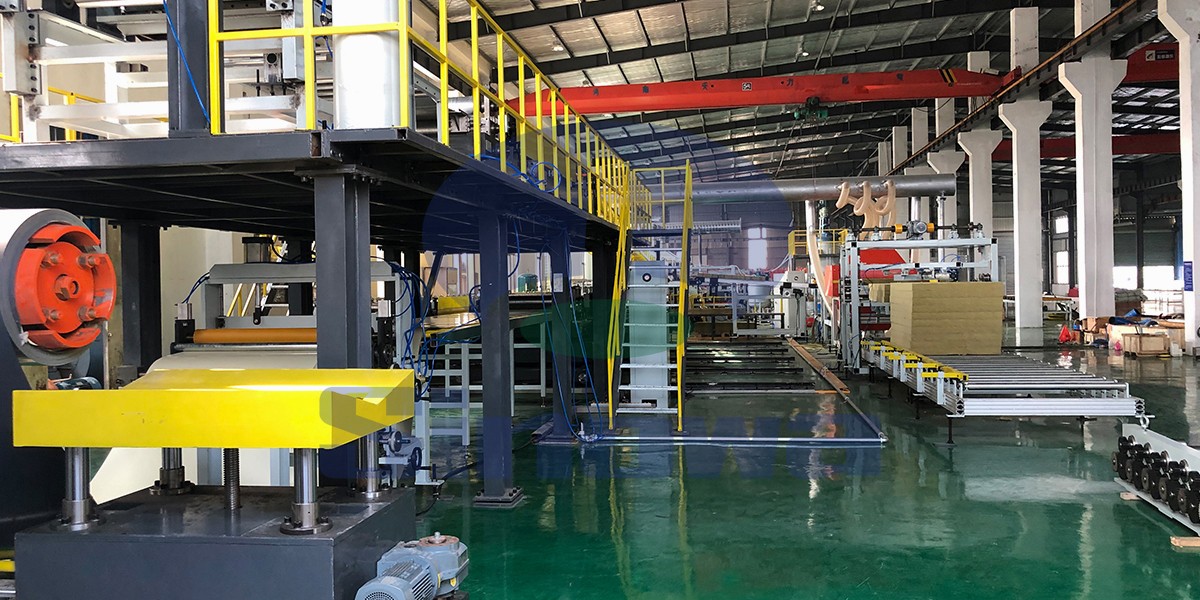
Rock Wool Board Production Line
Sinowa is rock wool board production line manufacturer from china, dedicated to the research and development of high-end and high-efficiency, Sinowa is comprehensively taking the leading position in terms of efficiency, automation control level, HMI, environment protection and energy consumption, with subversive designs made in some critical technological fields to procure exceptional cost performance and customer-friendly experience for the entire rock wool board production line. The adoption of system integration technology and bus control technology accomplishes the full automatization of integrated and coordinated control of the entire rock wool board production line with accessible remote interactive communication. Ranking the first-class level in the world, it is currently the rock wool board production line in the market taking a comprehensive lead in high performance.
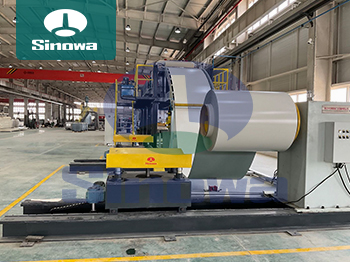
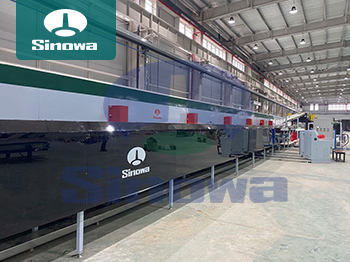
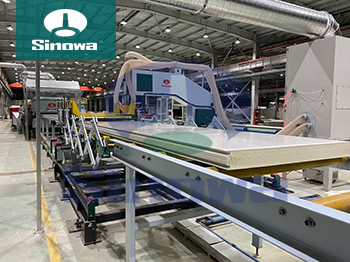
Based on the continuous technological pursuit, the rock wool board production line developed by Sinowa provides you with high-efficiency industrial value. Based on China's cost advantage and our hard-working technology concept, our rock wool board production line has a world-leading price-performance advantage. rock wool board production line can meet a variety of production needs of customers.The whole rock wool board production line design concept of modularization enables all our components to be integrated and combined at will. Our rock wool board production line can easily automate the production of roof sandwich panel, wall sandwich panel, cold storage sandwich panel and other products by different combination and configuration selection and siple switching. The inner core layer can be polyrethane or rock wool, glass wool, an so on.
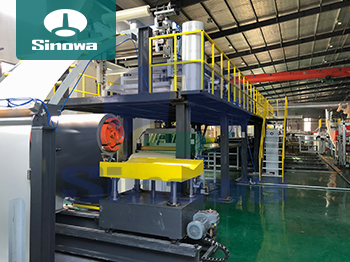


The rock wool board production line has high adaptability, which may produce various sandwich panel of the PU, PIR and rock wool systems. We may design various products according to the customer’s requirements, including various configurations, so as to meet their demands with flexible price system. Highly integrated and linked control system centralizes all control points at the main central center, achieving parameter linkage, fault self-diagnosis controlled by the whole line and shipping distance control. High-level automatic control system also saves the manpower and reduces the manpower loss for customers.


Concentrated system control is fully realized in the practice of concentrated process control so that the control system of all the movements of the parts in the rock wool board production line is integrated in one process control console with accessible remote communication to elevate the automation and reduce the allocated number of personnel for the assembly line. The main engine with modularized design achieves the precision operation of the rock wool board production line, stable and reliable quality, less part and maintenance loss. The whole rock wool board production line has over 40 innovative inventions, making our products have lots of unique features and the comprehensive performance of our rock wool board production line leading in the industry.


The precision servo hoisting mechanism employed by the main engine without hydraulic system makes the board thickness control flexible and the customer may conveniently change or adjust the board thickness. There will be not such troubles as hydraulic system adjustment, leakage, maintenance, etc. High-level energy saving and protection design makes the whole rock wool board production line possible to produce around the clock throughout the year and the customer will save huge budget. In addition, the isolated heat preservation room is constructed for warming the environment. The energy saving and protection design of our rock wool board production line may guarantee that the customer’s production line may be freely heated and produce in the main time to save more costs for customers.


The high-power low-consumption design quickens the reaction of the rock wool board production line while energy consumption is kept low. With the brand-new, fully sealed inner insulation design, the energy consumption is controlled at the minimum level to achieve the design objective of less than an hour for the insulation system to be activated from the room temperature above 5℃ to the production process temperature. The energy consumption is only 40% that of those similar products.
Rock wool board production lines represent a sophisticated integration of mechanical, thermal, and automated engineering, designed to transform natural volcanic rock raw materials into high-performance inorganic fiber boards that serve critical roles across construction, industrial insulation, acoustic management, and fire protection sectors. Unlike organic insulation materials that rely on synthetic polymers, rock wool boards are manufactured primarily from basalt, diabase, and other dense, heat-resistant igneous rocks, and the production line is engineered to process these raw materials through a series of controlled, high-temperature and mechanical stages that convert solid rock into fine, durable fibers, which are then bonded, formed, and cured into rigid, uniform boards. The entire production system is built with modular structural components that work in seamless coordination, each segment optimized for efficiency, consistency, and quality control, ensuring that the final products meet strict performance standards for thermal resistance, fire safety, mechanical strength, and durability without relying on chemical additives that could compromise long-term stability.

The structural framework of a full-scale rock wool board production line is divided into several interconnected functional zones, each with a specific purpose in the manufacturing process, starting with raw material handling and preparation, moving through high-temperature melting, fiberization, fiber collection and bonding, board forming and pressing, curing, precision cutting, and final packaging and storage. The raw material handling section is the foundation of the line, featuring automated feeding systems that transport crushed rock materials into weighing and mixing units, where precise ratios of primary rock and minor mineral modifiers are blended to ensure consistent chemical composition and fiber quality; this section also includes dust collection and filtration equipment to maintain a clean production environment and prevent particulate contamination during material transfer. Following raw material preparation, the melting zone consists of high-temperature furnaces capable of reaching and sustaining extreme heat levels, typically above 1400 degrees Celsius, to completely liquefy the solid rock into a homogeneous molten liquid; these furnaces are designed with insulated linings to retain heat efficiently and reduce energy consumption, with automated temperature regulation systems to maintain a stable melting environment that avoids overheating or incomplete melting, both of which would compromise fiber formation. The molten rock is then channeled to the fiberization zone, the most critical structural component for product quality, where high-speed centrifugal spinners or air-blast fiberizing machines convert the viscous molten liquid into ultra-fine, continuous inorganic fibers; this process requires precise control of spinner speed, molten flow rate, and cooling air volume to produce fibers of uniform diameter, as inconsistent fiber thickness directly impacts the thermal conductivity, density, and mechanical strength of the final board.
Immediately after fiberization, the newly formed fibers are directed to the bonding and collection zone, where a controlled amount of thermosetting resin adhesive is evenly sprayed onto the fiber surface; the adhesive is applied in minimal, uniform quantities to bind fibers together without saturating them, preserving the porous, air-filled structure that gives rock wool its exceptional insulation properties. This zone also includes a pendulum distribution system that layers the bonded fibers into a loose, uniform mat of consistent thickness and density across the entire width of the production line, eliminating uneven fiber distribution that could create weak spots or performance variations in the finished board. The fiber mat then moves to the forming and pressing section, which features dual continuous belt conveyors with adjustable pressure settings; the upper and lower belts compress the loose fiber mat to the desired board thickness, removing excess air and setting the initial density and flatness of the board. This pressing process is carefully calibrated to avoid over-compression, which would reduce porosity and thermal efficiency, or under-compression, which would result in a fragile, low-strength board. After pressing, the semi-formed board enters the curing oven, a long, temperature-controlled chamber that uses gradual, uniform heating to cure the thermosetting resin, permanently bonding the fibers into a rigid, stable structure; the curing process follows a specific temperature ramp and dwell time to ensure full resin cross-linking, enhancing the board’s mechanical strength, dimensional stability, and resistance to heat and moisture. Once cured, the rigid rock wool boards proceed to the precision cutting zone, where automated sawing and trimming equipment cuts the continuous board into standard or custom sizes, with edge trimming to ensure smooth, square edges and consistent dimensions; this section also includes quality inspection stations that check for surface defects, thickness variations, and density irregularities, with automated rejection of non-conforming products to maintain overall production quality. The final structural segment is the packaging and stacking zone, where finished boards are stacked, wrapped in protective film to prevent damage during transport and storage, and moved to storage areas via automated conveyor systems, completing the full production cycle from raw rock to finished insulation boards.
The performance of a rock wool board production line is defined by two key aspects: the operational performance of the equipment itself and the inherent performance properties of the rock wool boards it produces, both of which are closely linked to the line’s structural design and process control capabilities. In terms of equipment performance, modern production lines are built for high automation, continuous operation, and energy efficiency, with programmable logic control systems that monitor and adjust every stage of production in real time, minimizing human intervention, reducing production errors, and ensuring consistent output quality across large production volumes. The line is engineered for high throughput, with the ability to produce boards of varying thicknesses and densities without lengthy reconfiguration downtime, making it adaptable to changing market demands and custom order requirements; structural components are built with heavy-duty, wear-resistant materials to withstand the harsh conditions of high-temperature melting and mechanical fiberization, ensuring long service life, low maintenance requirements, and minimal production downtime. Energy efficiency is a core performance metric, with heat recovery systems integrated into the furnace and curing oven to recycle waste heat and reduce overall energy consumption, while dust and exhaust gas treatment systems meet environmental protection standards by capturing and filtering emissions, preventing air pollution and maintaining a safe working environment for operators.
Equally important are the performance properties of the finished rock wool boards, which are directly shaped by the production line’s process control and structural precision. The primary performance attribute is exceptional thermal insulation, characterized by an extremely low thermal conductivity rate; the porous, fiber-based structure of the board traps stationary air within its internal gaps, and since air is a poor conductor of heat, this structure effectively blocks heat transfer through conduction, convection, and radiation. This thermal performance remains stable across a wide range of temperatures, from extreme cold to high heat, making the boards suitable for both cold insulation and high-temperature industrial applications. A second critical performance feature is non-combustibility and excellent fire resistance; as inorganic mineral fibers, rock wool boards are completely non-flammable, do not release toxic fumes or melt when exposed to high temperatures or open flames, and can withstand sustained heat exposure without losing structural integrity, acting as a reliable fire barrier to prevent the spread of flames in buildings and industrial facilities. Third, rock wool boards offer superior acoustic absorption and sound insulation performance; the open porous structure of the fibers absorbs sound waves across a broad frequency range, reducing noise transmission, reverberation, and echo, making them highly effective for soundproofing in residential, commercial, and industrial settings. Additional performance properties include high mechanical strength and compressive resistance, especially in higher-density boards, which can support structural loads without cracking, deforming, or crumbling; dimensional stability, meaning the boards do not shrink, expand, or warp with changes in temperature, humidity, or time; and natural resistance to moisture, mold, mildew, and pest infestation, as inorganic mineral fibers do not absorb water or provide a food source for biological growth, ensuring long-term performance in damp or humid environments without degradation.
Rock wool board production lines are versatile enough to manufacture several distinct types of rock wool boards, each tailored to specific performance requirements and application scenarios, with variations primarily in density, thickness, surface treatment, and structural composition. The most common classification is based on density, which directly correlates to the board’s strength, insulation capacity, and intended use; low-density rock wool boards, typically ranging from 80 to 120 kilograms per cubic meter, are lightweight and flexible, with exceptional acoustic absorption properties, making them ideal for interior sound insulation and non-load-bearing applications. Medium-density boards, ranging from 120 to 160 kilograms per cubic meter, balance thermal insulation, acoustic performance, and moderate mechanical strength, suitable for general building insulation, wall cavities, and ceiling insulation in both residential and commercial buildings. High-density boards, ranging from 160 to 220 kilograms per cubic meter and above, offer maximum compressive strength, fire resistance, and durability, designed for heavy-duty industrial insulation, exterior wall insulation systems, roof insulation, and structural applications where load-bearing capacity is essential. Another classification is based on thickness, with standard thicknesses ranging from 50 millimeters to 200 millimeters, and custom thicknesses available for specialized projects; thinner boards are used for interior partition insulation and acoustic paneling, while thicker boards provide enhanced thermal and fire protection for exterior walls, industrial pipelines, and large-scale industrial equipment.
Beyond density and thickness, production lines can also produce specialized rock wool board variants with modified surface treatments or composite structures to enhance specific performance features. Some boards feature a smooth, compressed surface for improved durability and easier installation, while others have a textured surface to improve adhesion with mortar, adhesives, or exterior finishing materials in external insulation and finish systems. Water-repellent rock wool boards are treated with a mild hydrophobic agent during production to enhance moisture resistance, making them suitable for outdoor applications, basement insulation, and damp environments where standard insulation materials may degrade. There are also semi-rigid and rigid rock wool board variants, with rigid boards offering the highest structural strength for heavy-duty applications, and semi-rigid boards offering greater flexibility for curved surfaces or irregular installation areas. Despite these variations, all types are produced on the same core production line structure, with minor adjustments to process parameters such as pressing pressure, curing time, adhesive application rate, and fiber density to achieve the desired product specifications, highlighting the line’s adaptability and cost-effectiveness for diversified production.
The combination of robust structural design, reliable production performance, and versatile product types makes rock wool boards widely used across countless residential, commercial, industrial, and infrastructure applications, with each use case leveraging specific performance properties to solve practical engineering and construction challenges. In the building and construction sector, the most prominent application is exterior wall insulation, where high-density rock wool boards are installed on the outer surface of building walls to improve energy efficiency, reduce heating and cooling costs, and enhance fire safety; this application is particularly common in high-rise buildings, commercial complexes, and public facilities where fire resistance and thermal efficiency are top priorities. For interior construction, medium and low-density boards are used for interior wall partition insulation, ceiling insulation, and floor sound insulation, reducing airborne and impact noise between rooms and creating quieter, more comfortable living and working environments; they are also used in suspended ceiling systems and acoustic wall panels in theaters, conference halls, recording studios, and office buildings to improve acoustic quality and reduce noise pollution. Roof insulation is another key construction application, where rigid, high-density rock wool boards are installed on flat and sloped roofs to provide thermal insulation, fire protection, and weather resistance, protecting the roof structure from temperature extremes and extending its service life.
In industrial applications, rock wool boards are indispensable for high-temperature insulation in manufacturing facilities, power plants, petrochemical plants, and industrial equipment; they are used to insulate industrial furnaces, boilers, heat exchangers, and high-temperature pipelines, preventing heat loss, improving energy efficiency, and protecting workers from extreme heat exposure. Their non-combustible properties make them ideal for fire protection in industrial settings, where they are used as fire barriers, fireproof cladding, and insulation for electrical equipment and storage areas to prevent fire spread and minimize fire damage. In the transportation and infrastructure sector, rock wool boards are used for insulation and soundproofing in tunnels, bridges, and transportation hubs, reducing noise from vehicle traffic and improving thermal stability of infrastructure structures. They are also used in cold storage facilities, refrigerated warehouses, and temperature-controlled logistics centers, where their stable thermal insulation properties maintain consistent low temperatures and reduce energy consumption for cooling systems.
Additional specialized uses include insulation for agricultural facilities such as greenhouses and livestock barns, where they help regulate internal temperatures and reduce energy use for heating and ventilation; insulation for residential and commercial HVAC systems, improving energy efficiency and reducing noise from ductwork and air handling units; and fire protection for structural steel components in buildings, as rock wool boards can be applied to steel beams and columns to delay heat absorption and prevent structural failure during a fire. Unlike many organic insulation materials that degrade over time, release volatile organic compounds, or pose fire risks, rock wool boards offer long-term, sustainable performance with minimal environmental impact, as they are made from natural, abundant mineral resources and are fully recyclable at the end of their service life. The production line’s ability to consistently produce high-quality, performance-specific boards ensures that these materials can meet the evolving demands of modern construction and industrial design, balancing energy efficiency, safety, durability, and environmental responsibility.
In summary, the rock wool board production line is a highly engineered, integrated system that combines precise structural design, advanced automation, and efficient process control to convert natural mineral resources into a high-performance building and industrial material. Its modular structural components work in harmony to deliver reliable, consistent production, while the resulting rock wool boards offer unmatched thermal insulation, fire resistance, acoustic performance, and mechanical durability. The ability to produce multiple types of boards with varying densities, thicknesses, and specialized properties makes the production line adaptable to a vast array of applications, from residential and commercial building insulation to heavy-duty industrial fire protection and acoustic management. As global demand for energy-efficient, fire-safe, and sustainable building materials continues to rise, the rock wool board production line remains a critical asset in manufacturing materials that meet strict performance standards while supporting environmentally conscious construction and industrial practices. The seamless integration of structural functionality, equipment performance, and product versatility ensures that rock wool boards will continue to be a preferred choice for professionals across construction, engineering, and industrial sectors, providing long-lasting, reliable solutions for insulation, fire protection, and acoustic control in diverse projects worldwide.
《Rock Wool Board Production Line》Update Date: 2026/3/19
URL: https://www.sinowamachine.cn/en/tag/rock-wool-board-production-line.html
- PU Sandwich Panel Making Machine
- Rockwool Sandwich Panel Production Line
- PU Sandwich Panel Machine
- PU Sandwich Panel Production Line
- Mineral Wool Sandwich Panel Machine
- PUF Panel Machine
- Rock Wool Sandwich Panel Line
- Sandwich Panel Machines
- Sandwich Panel Lines
- Rockwool Sandwich Panel Machine
- Rockwool Sandwich Panel Line
- PU Sandwich Panel Line
- PU Panel Machine
- Foam Forming Machine
- Continuous Sandwich Panel Line
- Continuous PU Sandwich Panel Line
- PIR Sandwich Panel Line
- Polyurethane Sandwich Panel Line
- Automatic PU Sandwich Panel Production Line
- PU Foam Sandwich Panel Production Line