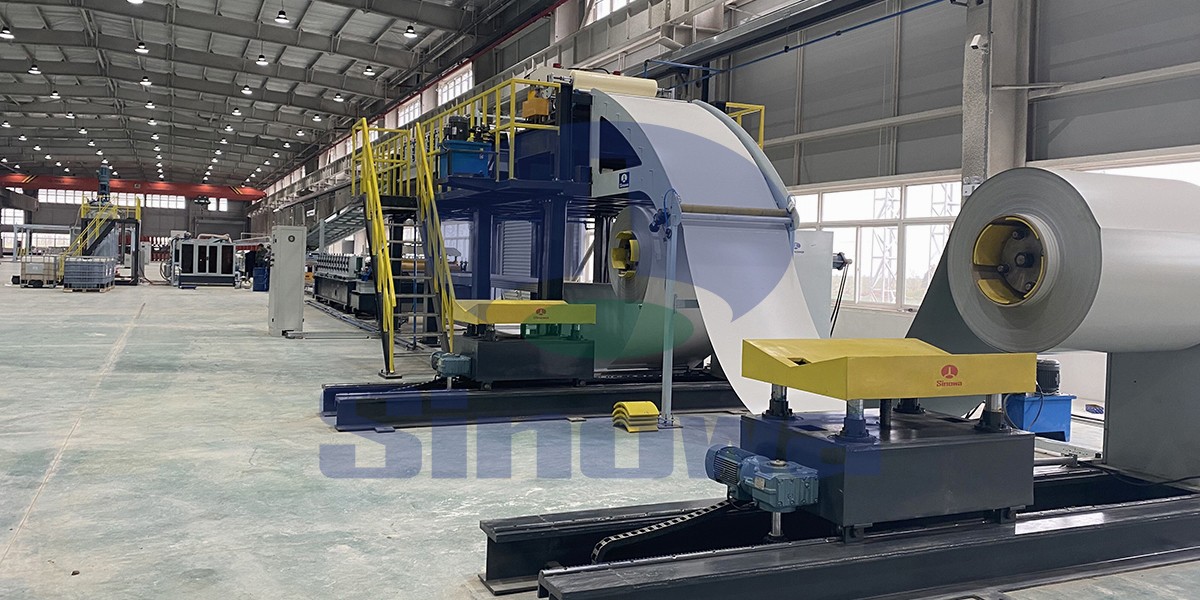
Quality PU Foam Production Line
Sinowa is quality pu foam production line manufacturer from china, dedicated to the research and development of high-end and high-efficiency, Sinowa is comprehensively taking the leading position in terms of efficiency, automation control level, HMI, environment protection and energy consumption, with subversive designs made in some critical technological fields to procure exceptional cost performance and customer-friendly experience for the entire quality pu foam production line. The adoption of system integration technology and bus control technology accomplishes the full automatization of integrated and coordinated control of the entire quality pu foam production line with accessible remote interactive communication. Ranking the first-class level in the world, it is currently the quality pu foam production line in the market taking a comprehensive lead in high performance.
Based on the continuous technological pursuit, the quality pu foam production line developed by Sinowa provides you with high-efficiency industrial value. Based on China's cost advantage and our hard-working technology concept, our quality pu foam production line has a world-leading price-performance advantage. quality pu foam production line can meet a variety of production needs of customers.The whole quality pu foam production line design concept of modularization enables all our components to be integrated and combined at will. Our quality pu foam production line can easily automate the production of roof sandwich panel, wall sandwich panel, cold storage sandwich panel and other products by different combination and configuration selection and siple switching. The inner core layer can be polyrethane or rock wool, glass wool, an so on.
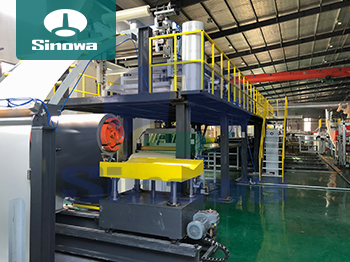


The quality pu foam production line has high adaptability, which may produce various sandwich panel of the PU, PIR and rock wool systems. We may design various products according to the customer’s requirements, including various configurations, so as to meet their demands with flexible price system. Highly integrated and linked control system centralizes all control points at the main central center, achieving parameter linkage, fault self-diagnosis controlled by the whole line and shipping distance control. High-level automatic control system also saves the manpower and reduces the manpower loss for customers.


Concentrated system control is fully realized in the practice of concentrated process control so that the control system of all the movements of the parts in the quality pu foam production line is integrated in one process control console with accessible remote communication to elevate the automation and reduce the allocated number of personnel for the assembly line. The main engine with modularized design achieves the precision operation of the quality pu foam production line, stable and reliable quality, less part and maintenance loss. The whole quality pu foam production line has over 40 innovative inventions, making our products have lots of unique features and the comprehensive performance of our quality pu foam production line leading in the industry.


The precision servo hoisting mechanism employed by the main engine without hydraulic system makes the board thickness control flexible and the customer may conveniently change or adjust the board thickness. There will be not such troubles as hydraulic system adjustment, leakage, maintenance, etc. High-level energy saving and protection design makes the whole quality pu foam production line possible to produce around the clock throughout the year and the customer will save huge budget. In addition, the isolated heat preservation room is constructed for warming the environment. The energy saving and protection design of our quality pu foam production line may guarantee that the customer’s production line may be freely heated and produce in the main time to save more costs for customers.


The high-power low-consumption design quickens the reaction of the quality pu foam production line while energy consumption is kept low. With the brand-new, fully sealed inner insulation design, the energy consumption is controlled at the minimum level to achieve the design objective of less than an hour for the insulation system to be activated from the room temperature above 5℃ to the production process temperature. The energy consumption is only 40% that of those similar products.
A quality polyurethane (PU) foam production line stands as a cornerstone of modern industrial manufacturing, merging precision mechanical engineering, controlled chemical reaction technology, and automated operational systems to produce foam materials that shape countless everyday and industrial products. Unlike basic, low-efficiency production setups, a high-grade PU foam production line is engineered to deliver consistent output, stable material properties, and adaptable processing capabilities, catering to the diverse demands of global manufacturing sectors without compromising on quality or operational reliability. This integrated production system is not a single piece of equipment but a seamlessly connected assembly of specialized modules, each designed to perform a distinct function in the transformation of raw chemical materials into finished PU foam products, with every component working in tandem to maintain uniformity, efficiency, and safety throughout the entire production cycle. At its core, the production line relies on the controlled reaction between two primary chemical components—polyols and isocyanates—along with a series of auxiliary additives such as blowing agents, catalysts, surfactants, and cross-linking agents, all of which are precisely dosed and mixed to trigger the foaming reaction that forms the unique cellular structure of PU foam. The design and construction of the production line directly dictate the quality of the final foam, as even minor flaws in component alignment, mixing accuracy, or temperature control can lead to inconsistent cell structure, uneven density, reduced durability, or other performance defects that render the foam unsuitable for targeted applications.

The structural composition of a premium PU foam production line is modular and highly integrated, featuring several core functional sections that operate in a continuous, sequential flow to streamline production and minimize manual intervention. The first critical section is the raw material storage and pretreatment module, which consists of sealed, temperature-controlled storage tanks for polyols, isocyanates, and liquid additives, along with filtration systems and stirring mechanisms to ensure that all raw materials maintain uniform viscosity and purity before entering the production process. These storage units are equipped with insulation and temperature regulation features to prevent chemical degradation, viscosity fluctuations, or premature reactions, as consistent raw material conditions are foundational to stable foam production. Connected directly to the storage module is the precision metering and conveying system, which is often regarded as the heart of the production line’s accuracy. This system uses high-precision metering pumps, flow sensors, and pressure regulators to deliver raw materials in exact, pre-set ratios, eliminating variations in component proportions that would disrupt the foaming reaction. Unlike basic metering systems, a quality production line employs independent metering controls for each raw material, allowing for micro-adjustments to flow rates and ratios without halting production, ensuring that even complex foam formulations are processed with consistent precision. Following metering, the materials move to the high-efficiency mixing module, which uses high-pressure impingement mixing technology to blend polyols, isocyanates, and additives instantaneously and uniformly. This mixing head is designed to create a turbulent, thorough blend without introducing air bubbles that would distort the foam’s cell structure, and it is equipped with self-cleaning mechanisms to prevent material buildup and cross-contamination between different production runs.
The next key structural segment is the foaming and curing module, which varies in design based on whether the line produces continuous slabstock foam or molded foam, two of the most common production formats. For continuous slabstock production, the module includes a moving conveyor belt, a foaming chamber with controlled height and width, and a temperature-regulated curing tunnel. The mixed chemical slurry is deposited onto the conveyor belt, where it begins to expand and rise into a continuous foam block as the chemical reaction proceeds; the conveyor speed, chamber temperature, and ambient humidity are all tightly controlled to regulate the expansion rate and curing time, ensuring the foam block develops a uniform cell structure and consistent density from end to end. For molded foam production, this module replaces the conveyor system with a series of precision molds and automated mold clamping mechanisms, where the mixed materials are injected directly into closed molds to form custom-shaped foam products. The molds are temperature-controlled to accelerate curing evenly, preventing surface defects, shrinkage, or internal voids that can occur with uneven heating. Completing the production line’s structure is the post-processing module, which includes automated cutting equipment, trimming tools, and quality inspection stations. Slabstock foam blocks are cut into sheets, rolls, or custom sizes using computer-controlled cutting machines that ensure precise dimensions and smooth edges, while molded foam parts are trimmed of excess material and inspected for shape accuracy and structural integrity. The entire production line is overseen by a centralized automated control system, typically featuring a touchscreen human-machine interface (HMI) and programmable logic controller (PLC) that monitors and adjusts all operational parameters in real time, including material flow rates, mixing pressure, curing temperature, conveyor speed, and cutting dimensions. This centralized control system stores multiple production recipes, allowing operators to switch between different foam types quickly with minimal downtime, and it records operational data to support consistent quality control and process optimization.
The performance characteristics of a quality PU foam production line set it apart from standard or low-grade equipment, with core performance metrics centered on precision, stability, efficiency, adaptability, and safety. Foremost among these is **mixing and dosing precision**, which is critical to the final foam’s performance. A high-quality line achieves an extremely high level of accuracy in raw material ratio control, with margin of error kept to an absolute minimum, ensuring that every batch of foam has identical chemical composition and physical properties. This precision eliminates batch-to-batch variations, a common issue with lower-quality production lines, and ensures that the foam meets strict performance standards for density, hardness, resilience, and insulation. Equally important is **operational stability**, as the line is designed to run continuously for extended periods without mechanical breakdowns or performance fluctuations. High-grade components, durable construction materials, and robust mechanical design reduce wear and tear, minimize maintenance requirements, and ensure consistent output even under high-volume production demands. Temperature and pressure control stability are also key performance features; the production line maintains consistent temperatures within the mixing chamber, curing tunnel, and raw material storage tanks, as well as stable pressure during mixing and injection, preventing disruptions to the chemical foaming reaction that could compromise foam quality.
Another standout performance trait is **production efficiency and adaptability**, with a quality line offering high output rates while minimizing raw material waste and energy consumption. The automated operation reduces reliance on manual labor, speeds up production cycles, and cuts down on material loss during mixing, foaming, and cutting processes. The modular design allows the line to adapt to different production scales, from small-batch custom production to large-scale continuous manufacturing, and it can accommodate a wide range of raw material formulations to produce different types of PU foam without requiring extensive structural modifications. Additionally, a premium PU foam production line prioritizes **operational safety and environmental compatibility**, with sealed material handling systems to prevent chemical leaks or volatile emissions, emergency shutdown mechanisms, and ventilation systems to maintain a safe working environment. The line is designed to minimize waste generation, with excess foam trim often recyclable back into the production process, and it operates with low energy consumption compared to outdated production equipment, aligning with modern industrial sustainability goals. Finally, the line offers ease of operation and maintenance, with the centralized control system providing intuitive operation, real-time fault alerts, and clear operational data, while accessible component design simplifies routine maintenance and part replacement, reducing downtime and prolonging the service life of the entire production system.
Based on the formulation adjustments and structural settings enabled by a quality production line, PU foam is categorized into several distinct varieties, each with unique physical properties tailored to specific applications, with the three primary classifications being flexible PU foam, rigid PU foam, and semi-rigid PU foam. Flexible PU foam is the most widely produced type, characterized by an open-cell structure that gives it softness, elasticity, resilience, and compressibility. This foam can be formulated to range from soft, plush textures suitable for bedding to firmer, high-resilience variants for heavy-duty seating, with density levels adjusted to meet specific comfort and durability requirements. High-resilience flexible foam offers enhanced support and breathability, while viscoelastic (memory) flexible foam features slow-rebound properties that conform to pressure and shape, providing targeted cushioning and pressure relief. The production line can fine-tune the cell size, density, and hardness of flexible foam by adjusting the raw material ratio, blowing agent dosage, and curing temperature, making it highly versatile for diverse comfort-focused applications. Rigid PU foam, by contrast, has a closed-cell structure that delivers high rigidity, compressive strength, low thermal conductivity, and lightweight properties. This foam is hard, non-compressible, and exceptionally effective as a thermal insulator, with density levels tailored to provide maximum structural stability and insulation performance. The production line produces rigid foam by adjusting the chemical formulation to increase cross-linking density and control cell closure, creating a material that is strong yet lightweight, with excellent resistance to moisture, chemicals, and temperature fluctuations.
Semi-rigid PU foam occupies a middle ground between flexible and rigid variants, combining a degree of elasticity with structural rigidity and impact resistance. This foam has a partially open, partially closed cell structure, offering moderate flexibility while maintaining shape retention and load-bearing capacity, making it ideal for applications that require both cushioning and structural support. Beyond these three core types, the production line can manufacture specialized PU foam varieties by incorporating targeted additives, such as flame-retardant foam for enhanced fire safety, anti-static foam for industrial and electronic applications, sound-absorbing foam for acoustic insulation, and high-density foam for heavy-duty structural use. Each specialized variant is produced by adjusting the additive dosage and production parameters within the line’s automated control system, demonstrating the high adaptability of a quality PU foam production line to meet niche industrial and commercial needs. The physical properties of each foam type—including density, hardness, resilience, tensile strength, thermal conductivity, and sound absorption—are directly controlled by the production line’s operational settings, ensuring that every variant meets the precise performance requirements of its intended use case.
The versatility of PU foam produced by a high-quality production line translates to an extensive range of applications across nearly every major manufacturing and construction sector, with each foam variety serving a unique purpose based on its inherent properties. Flexible PU foam dominates the furniture, bedding, and upholstery industries, where it is used to manufacture mattresses, sofa cushions, chair pads, pillows, and upholstery padding. The soft, resilient nature of flexible foam provides exceptional comfort and long-term durability, maintaining its shape and support even with prolonged daily use, while high-resilience variants are preferred for commercial furniture and office seating that requires heavy-duty performance. Viscoelastic flexible foam is widely used in premium bedding and medical support products, offering pressure relief for users with extended sitting or lying needs, such as hospital patients and office workers. In the automotive industry, flexible and semi-rigid PU foam are indispensable materials, used to produce seat cushions, headrests, armrests, door panel inserts, dashboard padding, and noise insulation components. The foam’s cushioning properties enhance passenger comfort, while its impact absorption characteristics improve vehicle safety, and its lightweight nature helps reduce overall vehicle weight, contributing to improved energy efficiency. Semi-rigid PU foam is particularly valued in automotive interiors for its ability to maintain shape, resist wear, and provide a balance of comfort and structural support for complex molded parts.
Rigid PU foam finds primary application in the construction and building insulation sector, where its exceptional thermal insulation properties make it a top choice for residential and commercial building insulation panels, wall insulation, roof insulation, floor insulation, and pipe insulation. The closed-cell structure of rigid foam prevents heat transfer, reduces energy consumption for heating and cooling, and blocks moisture penetration, improving building energy efficiency and durability. Rigid PU foam is also used to make insulation materials for refrigeration equipment, cold storage facilities, and transportation containers, maintaining stable low temperatures and reducing energy loss in cold chain logistics. In the packaging industry, both flexible and molded PU foam are used to create custom protective packaging for fragile, high-value, or sensitive products, including electronics, glassware, ceramic products, medical devices, and precision instruments. The foam’s cushioning and shock-absorption properties protect items from impact, vibration, and damage during shipping and handling, with custom-molded foam ensuring a perfect fit for irregularly shaped products. Additional industrial applications of PU foam include sound insulation panels for commercial buildings, recording studios, and automotive interiors, where the foam absorbs noise and reduces sound transmission; cushioning materials for sports equipment, such as helmet liners, protective gear padding, and gym equipment mats; and lightweight structural components for marine, aerospace, and industrial equipment, where rigid foam provides structural support without adding excessive weight.
The significance of a quality PU foam production line extends far beyond its mechanical and operational functions, as it serves as a critical link between chemical material science and end-use product manufacturing. By ensuring consistent, high-quality foam production with precise control over performance properties, the production line enables manufacturers across industries to create products that are durable, functional, and tailored to consumer and industrial needs. The ability to produce multiple foam varieties on a single, adaptable line also enhances manufacturing efficiency, reduces production costs, and allows businesses to respond quickly to changing market demands for different foam products. As industrial and consumer demands for high-performance, sustainable, and versatile materials continue to grow, the role of a premium PU foam production line becomes increasingly vital, driving innovation in foam technology and expanding the range of applications for PU foam worldwide. Unlike outdated production methods that limit foam quality and variety, a modern, high-grade production line embraces automation, precision engineering, and flexible formulation to deliver foam materials that meet the strictest standards of performance, safety, and durability, solidifying PU foam’s position as one of the most widely used and indispensable polymer materials in modern industry.
In summary, a quality PU foam production line is a sophisticated, integrated system that combines robust structural design, exceptional operational performance, and adaptable processing capabilities to produce a diverse range of PU foam varieties, each engineered for specific real-world applications. Its modular structure ensures seamless production flow, while its precision control systems guarantee consistent foam quality and performance across every batch. The line’s ability to produce flexible, rigid, semi-rigid, and specialized foam types makes it a versatile asset for manufacturers across furniture, automotive, construction, packaging, and industrial sectors, supporting the creation of products that enhance comfort, safety, energy efficiency, and functionality in daily life and industrial operations. As material science and manufacturing technology continue to advance, the evolution of PU foam production lines will further refine foam performance, expand application possibilities, and reinforce the critical role of these production systems in global manufacturing ecosystems, emphasizing that the quality of the production line is directly intertwined with the quality and versatility of the PU foam products it creates.
《Quality PU Foam Production Line》Update Date: 2026/3/19
URL: https://www.sinowamachine.cn/en/tag/quality-pu-foam-production-line.html
- PU Sandwich Panel Making Machine
- Rockwool Sandwich Panel Production Line
- PU Sandwich Panel Machine
- PU Sandwich Panel Production Line
- Mineral Wool Sandwich Panel Machine
- PUF Panel Machine
- Rock Wool Sandwich Panel Line
- Sandwich Panel Machines
- Sandwich Panel Lines
- Rockwool Sandwich Panel Machine
- Rockwool Sandwich Panel Line
- PU Sandwich Panel Line
- PU Panel Machine
- Foam Forming Machine
- Continuous Sandwich Panel Line
- Continuous PU Sandwich Panel Line
- PIR Sandwich Panel Line
- Polyurethane Sandwich Panel Line
- Automatic PU Sandwich Panel Production Line
- PU Foam Sandwich Panel Production Line