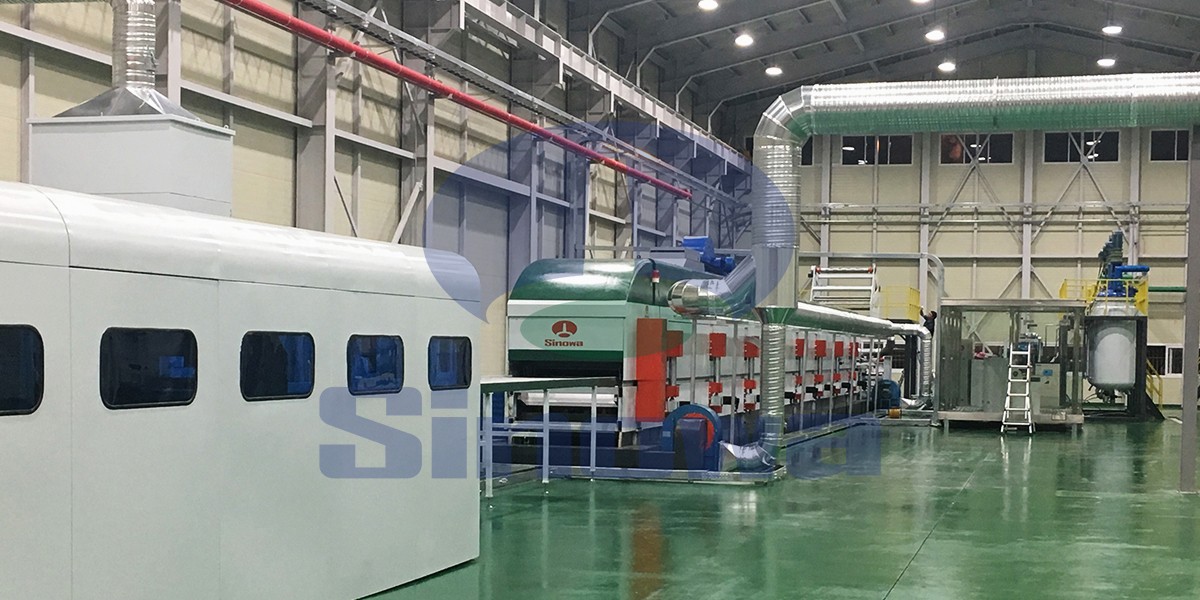
Phenolic Insulation Panel Production Line
Sinowa is phenolic insulation panel production line manufacturer from china, phenolic insulation panel production line has diversified and multifunctional production characteristics, which may produce products with different specifications such as PU, PF, PIR, etc. The surface material may be aluminum foil, colored steel, cement base cloth, kraft paper, non-woven fabrics, etc. The products are widely applied to such occasions as construction, decoration, pipeline ventilation, subway construction, etc. The phenolic insulation panel production line is able to continuously and efficiently produce high-quality PU and Phenolic insulation boards.
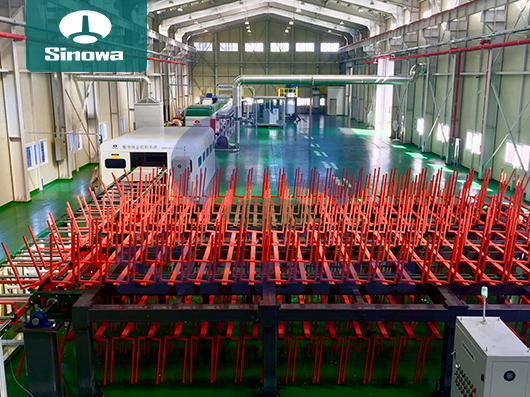
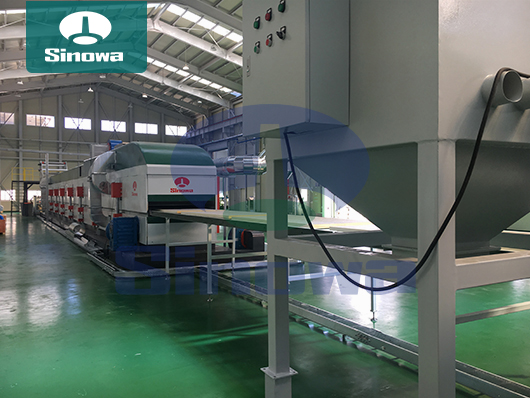
We spare no efforts to improve our product quality and technological reliability by employing the most cutting-edge and the most reliable support and processes to make our products highly reliable and endurable. As a result, the phenolic insulation panel production line of our soft layer insulation panels is highlighted by many perfect qualities. It is the core idea in Sinowa's product roadmap to surpass our competitors in terms of design philosophy, manufacture methods and service level, going for excellence and leading position and making constant improvement on our products and services, which is also our core value system to create efficiency and convenience for our customers.
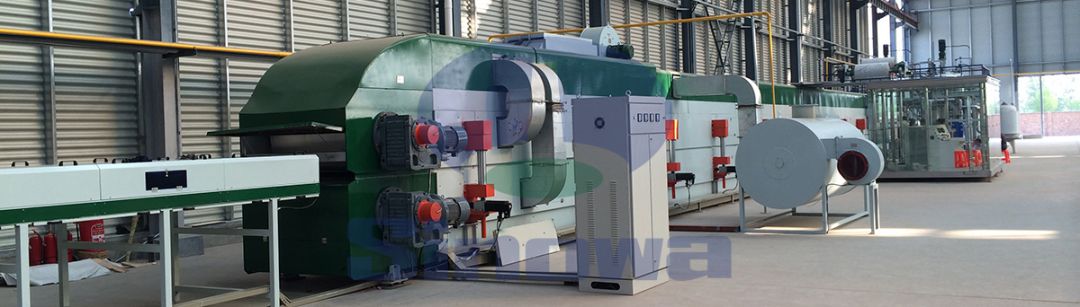
Well-grounded on our solid strength as a renowned large-scale enterprise, Sinowa has a high starting point in developing industrial assembly lines. Based on the advanced science and technology introduced from within and without the country and supported by a great number of first-grade parts and components from the home and aboard, these phenolic insulation panel production line have a high-level configuration of supporting products in terms of machinery, electrical control, hydraulic pressure, automatic measurement and tracking, and so on. This is a strong proof of our product’s reliable quality and high efficiency.
The first-class appearance design and excellent energy saving measures make it unnecessary for customers to additionally construct the heat preservation and isolation room for production around the clock throughout the year, so that the customers may save lots of resources and costs.


Modularized standard design and important parts machined with CNC machine tool make the production line have excellent quality assurance. Dependence on the man-made factors is eliminated. The operation is precision, with the highest operation speed of 30m/min. The phenolic insulation panel production line has the world-class production efficiency.
The high performance and reliable multicomponent cyclopentane foaming technology and equipment of Sinowa may be also applied to the foaming process of the phenolic aldehyde board. Therefore, our customers may not only freely adjust the foaming matching according to the raw material, but also save lots of costs. Moreover, they are of significance for environmental protection.


Sinowa's phenolic insulation panel production line is distinguished by its impressive performance of energy conservation. In each high point of energy consumption throughout the entire production line are implemented corresponding measures to considerably lower the consumption level. For example, the body of the lamination belt conveyer is covered with insulation panels in very reasonable structures, which doesn’t blemish the overall outlook but greatly increases the insulation performance. The entire phenolic insulation panel production line is constantly optimized and improved so that the consumption of each power source is significantly reduced. The motor power of our lamination conveying system is only 3.0 kw, about 50% less than those of the same kind. All in all, the energy consumption of the whole phenolic insulation panel production line equals 40% or even less of the equivalent lines in the market.
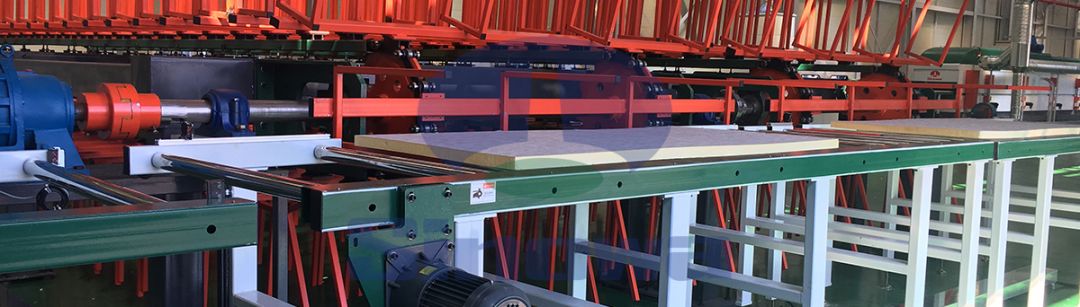
The phenolic insulation panel production line of Sinowa adopts the most advanced concepts in the world to realize the modularized design with all the parts bolted together rather than welded. In standardized production, the parts can be dismantled and exchanged, so the production cycle is drastically shortened and the maintenance becomes by far easier. Through finite element analysis, the phenolic insulation panel production line design is greatly optimized to realize modularization, digitization, and weight-minimalization.
Phenolic insulation panels stand out as a high-performance thermal insulation material in modern construction, industrial engineering and HVAC systems, thanks to their unique combination of fire resistance, thermal stability and low thermal conductivity, and the production line dedicated to manufacturing these panels is a sophisticated, fully integrated industrial system that combines mechanical engineering, chemical foaming technology and automated control. This production line is not a single piece of equipment but a sequential, interconnected assembly of modular units, each designed to perform a specific stage of the manufacturing process with precision and consistency, ensuring that every finished panel meets uniform structural and performance standards without relying on manual intervention for core processing steps. The overall structure of the production line is built around a continuous operational framework, starting from raw material handling and preparation, moving through foaming and forming, curing, cutting, surface lamination and final packaging, with each segment seamlessly connected to maintain a steady production flow and minimize material waste or production delays. At the heart of the line lies the foaming and forming module, which is responsible for transforming liquid phenolic resin and auxiliary raw materials into a uniform, closed-cell foam core, the foundational layer of every phenolic insulation panel; this module features precise temperature and pressure control systems, as well as a continuous conveyor belt that moves the semi-finished foam through a controlled curing zone to stabilize its cellular structure and enhance its mechanical strength. Adjacent to the foaming unit is the raw material preparation station, which stores and mixes phenolic resin, foaming agents, curing agents and flame retardant additives in preset ratios, with automated metering devices to ensure the consistency of the mixture batch after batch, a critical factor in maintaining the stable performance of the final panels. The curing section follows, equipped with a temperature-controlled tunnel that uses gradual, uniform heating to complete the cross-linking reaction of the phenolic foam, eliminating residual moisture and volatile components while hardening the foam to achieve the desired density and rigidity; this section is designed with adjustable temperature gradients to accommodate different panel thicknesses and density requirements, preventing warping, cracking or uneven cellular distribution that could compromise performance. After curing, the panels enter the precision cutting unit, which uses high-speed, dust-free cutting tools to trim the panels to custom lengths, widths and thicknesses according to production specifications, with automated positioning systems to ensure cutting accuracy within tight tolerances. The final key structural component is the surface lamination module, which applies various facing materials to both sides of the phenolic foam core to enhance durability, moisture resistance and structural integrity, with pressure rollers and adhesive application systems to ensure a strong, permanent bond between the foam core and the facing layers without delamination over time. The entire production line is controlled by a centralized automated control system, which monitors and adjusts operational parameters such as conveyor speed, foaming temperature, curing time and cutting dimensions in real time, reducing human error and ensuring continuous, stable operation for extended production runs.
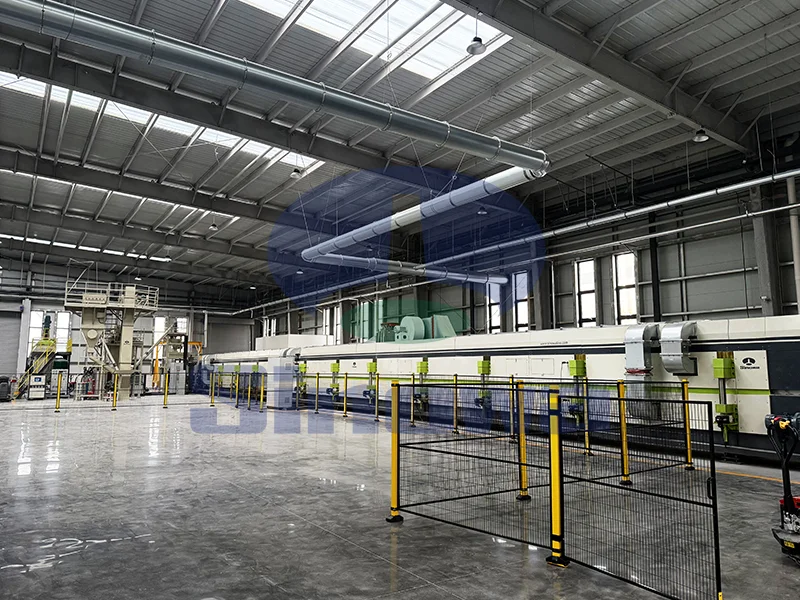
The performance of the phenolic insulation panel production line directly dictates the quality and functional properties of the finished panels, as well as the efficiency and sustainability of the manufacturing process. One of the core performance advantages of this type of production line is its high degree of automation, which enables continuous production with minimal labor input and consistent output quality across large production volumes; unlike batch production methods, the continuous line can maintain a steady flow of panels from raw material input to finished product output, significantly boosting production efficiency and reducing per-unit production time without sacrificing quality. Another key performance metric is the precision control capability, especially in the foaming and curing stages, where the line can regulate temperature with a tolerance of just a few degrees Celsius and pressure within narrow ranges, resulting in phenolic foam cores with uniform cell size, consistent density and minimal performance variation between panels. This precision directly translates to the mechanical performance of the panels, including compressive strength, flexural strength and impact resistance, making the panels suitable for load-bearing and non-load-bearing applications alike. The production line also offers strong adaptability, allowing for adjustments to produce panels of varying thicknesses, densities and sizes to meet diverse project requirements, from thin panels for interior insulation and ductwork to thick, high-density panels for exterior wall and roof insulation. In terms of environmental performance, modern phenolic insulation panel production lines are designed to minimize waste and emissions, with closed-loop raw material recycling systems for excess resin and foam scraps, and low-emission foaming technologies that reduce the release of volatile organic compounds during production, aligning with global sustainable manufacturing standards. The durability and reliability of the production line itself are also notable performance features, with heavy-duty mechanical components, wear-resistant conveyor belts and robust control systems that can operate continuously for long hours with minimal downtime for maintenance, ensuring a long service life and consistent production capacity. Additionally, the line is engineered to optimize energy consumption, with insulated curing tunnels and energy-efficient motors that reduce power usage compared to older, less efficient production equipment, lowering operational costs while supporting eco-friendly manufacturing practices. The performance of the finished phenolic panels, which is directly shaped by the production line’s capabilities, includes exceptional thermal insulation properties, with an extremely low thermal conductivity that minimizes heat transfer through the panel, making it highly effective for reducing energy consumption in heating and cooling systems. Equally important is the fire-resistant performance of the panels, a hallmark of phenolic foam material, as the production process ensures the uniform distribution of flame retardant components throughout the foam core, resulting in panels that are self-extinguishing, do not support flame spread and produce minimal smoke when exposed to high temperatures or open flames, a critical safety feature for building and industrial applications. The panels also exhibit excellent thermal stability, maintaining their structural and insulation properties over a wide range of temperatures, from extreme cold to high heat, without shrinking, expanding or degrading, and they resist moisture absorption and mold growth, further extending their service life in humid or harsh environments.
Phenolic insulation panels manufactured by this specialized production line are categorized into several distinct types based on their structural design, facing materials, density and intended use, with each type tailored to meet specific performance and application requirements. The most common classification is based on the facing materials bonded to the phenolic foam core, as these facings determine the panel’s durability, moisture resistance, surface finish and compatibility with different installation methods. One primary type is the double-sided aluminum foil-faced phenolic insulation panel, which features a thin, lightweight aluminum foil layer on both sides of the foam core; this type is highly resistant to moisture, vapor and corrosion, making it ideal for HVAC ductwork, ventilation systems and interior insulation applications where airtightness and moisture control are essential. The aluminum foil facing also adds a degree of structural rigidity without significantly increasing the panel’s weight, simplifying transportation, handling and on-site installation, and it can be easily cut, shaped and joined to fit custom duct sizes and insulation layouts. Another common type is the color steel-faced phenolic insulation panel, which uses rigid color-coated steel sheets as the outer facing, providing superior mechanical strength, impact resistance and weatherability compared to aluminum foil-faced panels; this type is designed for exterior building applications, including wall insulation, roof insulation and partition walls in commercial, industrial and residential buildings, where durability and resistance to outdoor elements such as wind, rain and UV radiation are critical. The color steel facing also offers a smooth, finished surface that requires no additional painting or coating, enhancing the aesthetic appeal of the building envelope while providing long-lasting protection for the foam core. A third type is the un-faced or bare phenolic foam panel, which has no external facing and is used primarily as a core material for composite panels, or for interior insulation applications where the panel will be covered by drywall, plaster or other finishing materials; this type is lightweight and easy to cut and install, making it suitable for retrofitting existing buildings and for insulation in concealed spaces. There are also specialized high-density phenolic insulation panels, which are produced with adjusted foaming parameters on the production line to achieve a higher core density, resulting in enhanced compressive strength and load-bearing capacity; these panels are used in industrial flooring, cold storage facilities and other applications where the insulation must support heavy loads without compressing or deforming. Additionally, low-density phenolic insulation panels are available for applications where weight reduction is a priority, such as portable buildings, transportation insulation and lightweight interior partitions, offering excellent thermal insulation with minimal structural load. Panels can also be classified by their thickness, ranging from thin panels of just a few centimeters for ductwork and interior wall insulation to thick panels of 10 centimeters or more for heavy-duty industrial and commercial insulation projects, with the production line able to accommodate all thickness ranges through simple adjustments to the forming and cutting modules. Each type of phenolic insulation panel retains the core performance benefits of phenolic foam—excellent fire resistance, low thermal conductivity and long-term durability—while the variations in facing and density allow for precise matching to specific project needs, making the material highly versatile across multiple industries.
The diverse range of phenolic insulation panels produced by this advanced production line finds extensive applications across construction, industrial engineering, HVAC systems, cold chain storage and transportation, and other fields where high-performance thermal insulation, fire safety and durability are non-negotiable requirements. In the construction industry, phenolic insulation panels are widely used for building envelope insulation, including exterior wall insulation, roof insulation, floor insulation and partition wall systems, for both new construction projects and building retrofits; the panels’ exceptional thermal insulation properties help reduce energy consumption for heating and cooling, lowering long-term energy costs for building owners, while their superior fire resistance enhances overall building safety, meeting strict fire code requirements for residential, commercial and public buildings such as offices, shopping centers, hospitals and schools. The lightweight nature of the panels also reduces the structural load on buildings, simplifying construction and reducing material and labor costs during installation, and their resistance to moisture and mold makes them suitable for use in humid climates and coastal regions. In the HVAC and ventilation sector, aluminum foil-faced phenolic insulation panels are the material of choice for pre-insulated air ducts, replacing traditional metal ducts that require separate insulation layers; these pre-insulated ducts are lightweight, easy to fabricate and install on-site, and they eliminate thermal bridging and air leakage, improving the energy efficiency of heating, ventilation and air conditioning systems while reducing noise transmission through ductwork. The fire-resistant properties of phenolic ducts also add an extra layer of safety in commercial and public buildings, where HVAC systems are a critical component of indoor environmental control. Cold storage and refrigeration facilities represent another major application area, where high-density phenolic insulation panels are used to insulate walls, ceilings and floors of cold rooms, freezers and refrigerated warehouses; the panels’ low thermal conductivity maintains stable low temperatures inside the storage space, reducing energy usage for refrigeration, while their resistance to moisture and temperature fluctuations prevents condensation and ice buildup, preserving the integrity of stored goods such as food, pharmaceuticals and other temperature-sensitive products. In industrial settings, phenolic insulation panels are used for insulating industrial equipment, pipelines and manufacturing facilities, providing thermal insulation to maintain process temperatures, protect workers from high surface temperatures and reduce energy loss in industrial operations; their fire resistance is particularly valuable in industrial environments where flammable materials are present, minimizing the risk of fire spread and equipment damage. The panels are also used in transportation and logistics, for insulating refrigerated trucks, shipping containers and railway cars, ensuring that temperature-sensitive cargo remains at a consistent temperature during transit; the lightweight and durable nature of the panels makes them ideal for mobile applications, where weight reduction is critical for fuel efficiency and structural integrity. Additionally, phenolic insulation panels are used in specialized construction projects such as underground structures, subway stations and utility tunnels, where their fire resistance, moisture resistance and durability make them suitable for harsh, enclosed environments with limited ventilation. Beyond these core applications, the versatility of phenolic insulation panels continues to expand as manufacturing technology advances, with new variations developed to meet emerging needs in sustainable construction, energy-efficient infrastructure and green building projects. The ability of the production line to adapt to different panel types and specifications ensures that phenolic insulation panels remain a top choice for engineers, architects and contractors seeking a balance of thermal performance, fire safety, durability and sustainability in their projects. Unlike many other insulation materials that may sacrifice fire resistance for thermal efficiency or vice versa, phenolic insulation panels offer a unique combination of properties that address multiple critical requirements, making them an indispensable material in modern insulation solutions, and the advanced production line behind them ensures that these panels can be produced efficiently, sustainably and consistently to meet the growing global demand for high-performance insulation materials.
In summary, the phenolic insulation panel production line is a highly engineered, automated industrial system that combines precise structural design, reliable operational performance and flexible adaptability to produce a wide range of high-quality phenolic insulation panels, each tailored to specific performance and application needs. The line’s modular structure ensures seamless integration of all production stages, from raw material preparation to final finishing, while its advanced control systems guarantee consistent panel quality and performance across all types and sizes. The finished panels, with their exceptional thermal insulation, fire resistance, mechanical strength and durability, serve as a versatile solution for countless applications in construction, HVAC, cold storage, industrial engineering and transportation, addressing key challenges related to energy efficiency, fire safety and sustainable development. As the demand for energy-efficient and fire-safe building materials continues to rise globally, the phenolic insulation panel production line remains a critical piece of industrial equipment, enabling the large-scale, sustainable production of a material that plays a vital role in reducing energy consumption, enhancing building safety and supporting green infrastructure development worldwide. The ongoing refinement of production line technology further improves efficiency, reduces environmental impact and expands the range of panel types available, ensuring that phenolic insulation panels will continue to be a leading choice for high-performance insulation projects for years to come.
《Phenolic Insulation Panel Production Line》Update Date: 2026/3/19
URL: https://www.sinowamachine.cn/en/tag/phenolic-insulation-panel-production-line.html
- PU Sandwich Panel Making Machine
- Rockwool Sandwich Panel Production Line
- PU Sandwich Panel Machine
- PU Sandwich Panel Production Line
- Mineral Wool Sandwich Panel Machine
- PUF Panel Machine
- Rock Wool Sandwich Panel Line
- Sandwich Panel Machines
- Sandwich Panel Lines
- Rockwool Sandwich Panel Machine
- Rockwool Sandwich Panel Line
- PU Sandwich Panel Line
- PU Panel Machine
- Foam Forming Machine
- Continuous Sandwich Panel Line
- Continuous PU Sandwich Panel Line
- PIR Sandwich Panel Line
- Polyurethane Sandwich Panel Line
- Automatic PU Sandwich Panel Production Line
- PU Foam Sandwich Panel Production Line